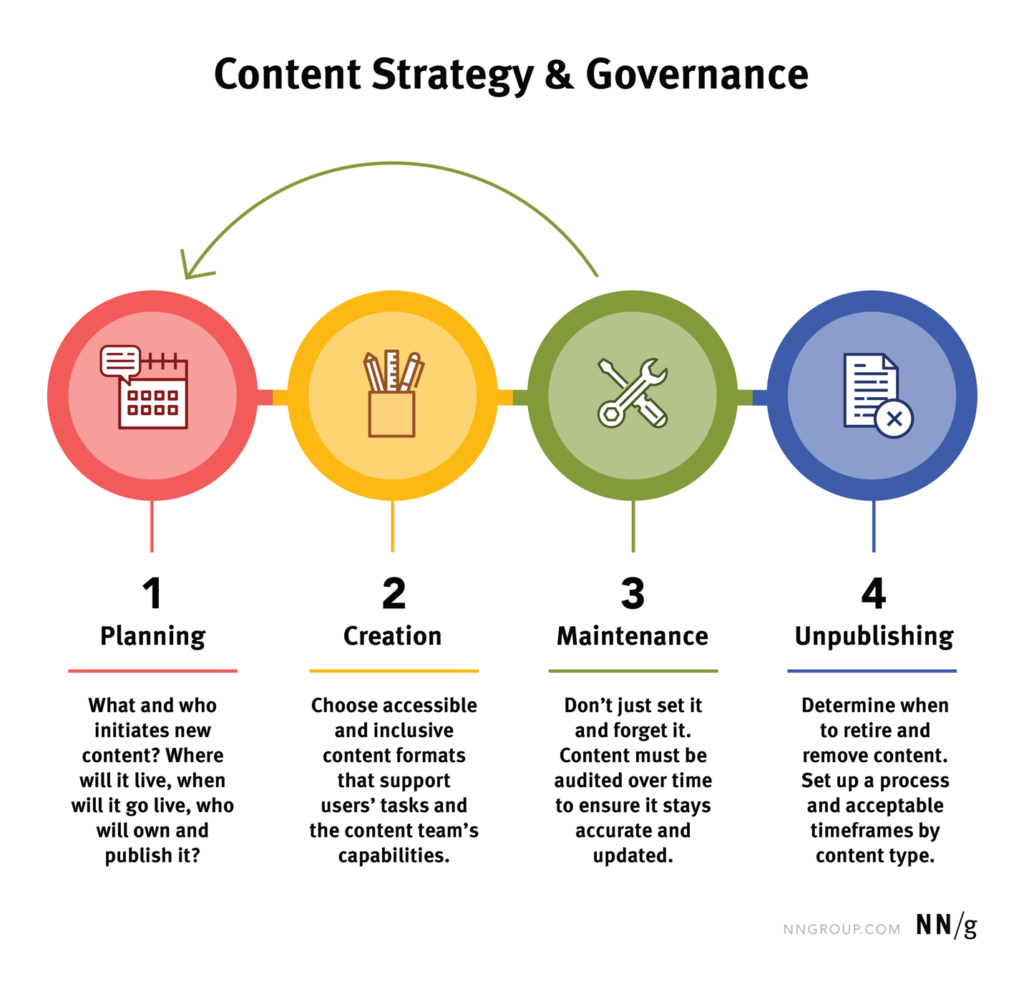
In today’s digital world, data driven content marketing helps businesses create content that people actually want to read. Instead of guessing, you use real numbers and real behavior to guide your ideas. This means you write content based on what your audience searches, clicks, reads, and buys. When you understand your audience clearly, your content performs better, builds trust, and improves conversions.
This guide will show you how to build a smart strategy, create a strong framework, measure results, and see real examples — all in simple language.
Data Driven Content Marketing Strategy
Before creating content, you need a clear plan. A strategy means knowing who you are targeting, what they need, and how you will help them.
1. Know Your Audience Deeply
Do not only look at age or location. Look at:
- What questions they ask
- What problems they face
- What pages they visit most
- What products they buy
You can collect this data from:
- Google Analytics
- Search Console
- Social media insights
- Customer emails
- Sales team feedback
For example, if you are running an SEO Company for Lawyers, your audience may search for:
- “How to rank law firm website”
- “Legal SEO tips”
- “Best marketing for attorneys”
This tells you exactly what content to create.
2. Focus on Problems, Not Just Keywords
Many people only chase high-volume keywords. But real growth happens when you solve real problems.
If your audience struggles with link building, you can create content explaining how niche edit backlinks work and why they are safe.
That builds trust.
3. Create a Clear Content Plan
Your strategy should include:
- Main topics
- Supporting topics
- Blog posting schedule
- Distribution channels (email, social media, ads)
A good strategy makes sure every piece of content has a purpose.
Data Driven Content Marketing Framework
A framework is like a step-by-step system you follow every time you create content.

Step 1: Collect Data
Use tools like:
- Google Analytics
- Search Console
- CRM software
- Email marketing reports
Look for:
- High traffic pages
- Low bounce rate pages
- Pages with good conversions
Step 2: Analyze Behavior
Ask:
- Which topics keep users longer on site?
- Where do users drop off?
- What headlines get more clicks?
Step 3: Create Based on Insights
If “law firm SEO tips” performs well, create:
- A detailed guide
- A checklist
- A case study
- A video
Step 4: Measure and Improve
After publishing, track:
- Traffic
- Time on page
- Leads generated
- Conversion rate
If something underperforms, update it instead of deleting it.
Data Driven Content Marketing Examples
Real examples help you understand better.
Example 1: Blog Optimization
A marketing agency notices one blog post brings 40% of traffic.
They:
- Update it
- Add FAQs
- Add internal links
- Improve call-to-action
Traffic increases 20%.
Example 2: Content Gap Filling
A company checks competitor pages and finds missing topics.
They create content around:
- Advanced link strategies
- Local SEO case studies
Their rankings improve because they answered questions competitors ignored.
Example 3: Personalization
An ecommerce store tracks user behavior.
If someone views “beginner SEO guides,” they show:
- Simple tutorials
- Free checklist download
Personalized content increases engagement.
For more advanced analytics methods, marketers often learn from trusted sources like HubSpot to improve performance.
How Do Marketers Use Data to Develop Content?
Marketers develop content by studying patterns.
1. Keyword Trends
They check:
- Rising search terms
- Seasonal topics
- Question-based searches
2. Customer Questions
Sales teams often hear repeated questions.
Those questions become blog topics.
3. Competitor Analysis
Marketers review:
- Competitor blogs
- Backlink profiles
- Content structure
If competitors rank for detailed guides, they create better ones.
4. Search Intent Matching
They understand if users want:
- Information
- Comparison
- Purchase
Content is then designed to match that intent.
How Do Marketers Use Data to Evaluate Results?
Creating content is not enough. You must measure it.
Important Metrics:
- Organic traffic
- Click-through rate (CTR)
- Bounce rate
- Conversion rate
- Lead quality
A/B Testing
Marketers test:
- Headlines
- Images
- CTA buttons
- Content length
If Version A converts better than Version B, they use A.
ROI Tracking
They compare:
- Cost of content
- Revenue generated
If one topic brings high-quality leads, they create more similar content.
This is how smart brands grow consistently.
Smart Content Distribution Tips
Even great content fails if no one sees it.
Use:
- Email marketing
- LinkedIn posts
- Facebook groups
- Paid ads
- Internal linking
Repurpose blog content into:
- Short videos
- Carousels
- Infographics
- Email newsletters
Consistency matters. Publishing 5–10 quality posts per month often gives strong ROI.
Common Mistakes to Avoid
- Publishing without tracking data
- Ignoring underperforming content
- Only chasing traffic, not conversions
- Copying competitors blindly
- Using AI without human editing
Data gives direction. Human creativity gives connection.
Final Thoughts
Strong data driven content marketing is not about creating more content — it is about creating smarter content. When you understand your audience, build a clear strategy, follow a strong framework, and measure results carefully, your content becomes powerful. It attracts the right visitors, builds authority, and drives real business growth.
Focus on data. Focus on value. Improve continuously.
That is how modern content marketing wins.