In today’s crowded market, great products alone don’t sell. You need attention, trust, and urgency. That’s why understanding how to create demand is the real game-changer for startups, marketers, and business owners. Demand doesn’t just “happen.” It’s built with smart positioning, powerful messaging, and deep customer insight.
In this guide, you’ll learn practical steps backed by real-world demand generation strategy, brand positioning, and customer psychology principles. Whether you’re launching something new or trying to grow an existing business, this article will help you create momentum that drives consistent sales.
Table of Contents
How to Create Demand in Marketing
Creating demand in marketing means making people want something before they even search for it.
It’s not about pushing a product. It’s about shaping perception.
1. Start With Deep Customer Research
You can’t create desire without knowing pain points.
- Study your audience’s fears and frustrations
- Read reviews of competitors
- Join niche communities
- Analyze search intent
This builds strong buyer personas and improves your content marketing strategy.
2. Educate Before You Sell
People buy when they understand the problem.
Use:
- Blog posts
- Case studies
- Webinars
- Short videos
This builds thought leadership and positions your brand as an expert.
3. Create Emotional Triggers
Demand grows when emotions are involved:
- Fear of missing out (FOMO)
- Social proof
- Scarcity
- Authority
Smart marketers use consumer psychology and behavioral marketing techniques to influence buying decisions.
How to Create Demand for a New Product
Launching something new is hard because nobody knows it exists.
Here’s how to solve that.
1. Build Pre-Launch Buzz
Before launch:
- Tease the product
- Share behind-the-scenes content
- Collect early signups
This builds anticipation and creates market awareness.
2. Highlight the Problem First
Don’t introduce your product immediately. First:
- Talk about the problem
- Show consequences
- Share data
Then introduce your solution as the natural answer. This is classic problem-solution marketing.
3. Use Early Adopters
Give free access to influencers or industry leaders.
When experts recommend you, trust increases. That’s how brands grow using social validation.
If you follow platforms like B2B Marketing News, you’ll notice most successful product launches use this model.
How to Create Demand Example
Let’s take a simple example.
Imagine a company selling ergonomic office chairs.
Instead of saying:
“Buy our chair.”
They create blog posts like:
- “Why Back Pain Is Destroying Your Productivity”
- “Hidden Health Risks of Poor Posture”
Now readers feel the problem.
Then they introduce the chair as the solution.
This approach builds value-driven marketing and increases customer engagement rates.
How to Create Demand in Business
Demand creation is not only for marketing teams. It’s a business strategy.
1. Differentiate Your Offer
Ask:
- Why should someone choose you?
- What makes you unique?
Strong unique value proposition (UVP) creates demand naturally.
2. Focus on Authority Building
Publish research, insights, and expert opinions.
Businesses that invest in brand authority dominate their niche long-term.
For example, agencies like SEO Agency Interamplify focus on strategic visibility instead of short-term promotion.
3. Invest in Smart SEO
Organic traffic builds sustainable demand.
High-quality content combined with strong search engine optimization increases visibility.
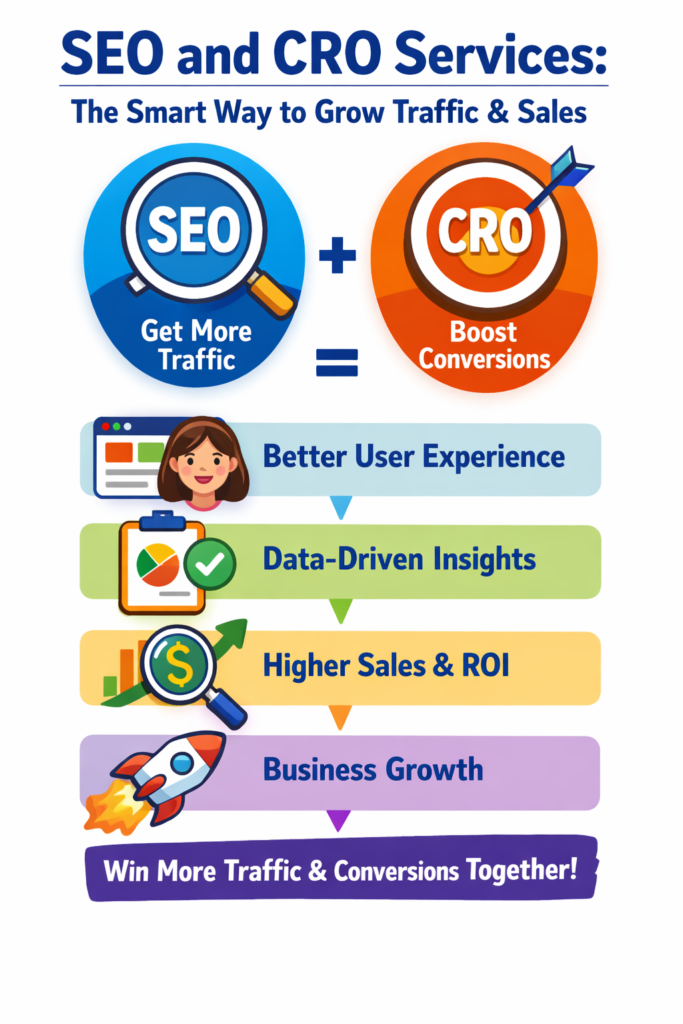
Companies offering SEO and CRO Services often combine traffic growth with conversion optimization to turn demand into revenue.
Create Demand Meaning
So what does it really mean?
Create demand means:
Making people aware of a problem and positioning your solution as necessary.
It’s about shifting from:
“Here’s my product.”
To:
“You need this because…”
That shift uses strategic storytelling, brand messaging, and market education.
Demand creation focuses on long-term trust. It is different from quick advertising campaigns.
Demand Creation Example
Let’s look at the tech industry.
When a new software tool launches, most people don’t know they need it.
The company:
- Publishes educational blogs
- Runs webinars
- Shares industry insights
- Releases data reports
This builds authority.
Eventually, customers think:
“We can’t operate without this tool.”
That is powerful inbound marketing combined with strategic brand positioning.
Marketing experts like Khurram Shahzad often emphasize building influence before pushing offers.
Demand Generation vs Lead Generation
Many people confuse these two.
Demand Generation
- Creates awareness
- Educates market
- Builds interest
- Focuses on long-term growth
Lead Generation
- Captures contact details
- Pushes offers
- Focuses on short-term conversions
Think of it like this:
Demand generation warms the audience.
Lead generation converts them.
A complete marketing funnel strategy requires both.
Without demand, leads are cold.
Without leads, demand doesn’t turn into revenue.
Demand Generation Strategy
Here’s a powerful step-by-step plan:
Step 1: Identify Pain Points
Use surveys, keyword research, and competitor analysis.
Step 2: Build Authority Content
Create:
- SEO blogs
- Case studies
- Industry reports
- Podcast interviews
This improves content visibility and builds trust.
Step 3: Leverage Multiple Channels
- SEO
- Social media
- Email marketing
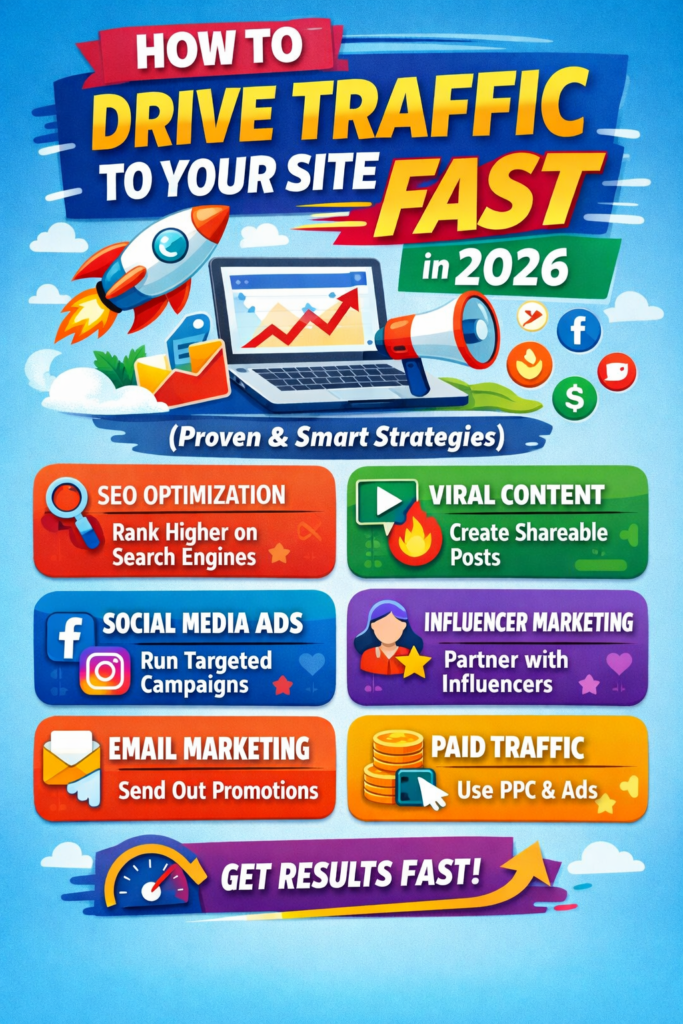
- Paid ads
Omnichannel marketing strengthens brand recall.
Step 4: Retarget Interested Users
Use email sequences and remarketing ads to maintain attention.
This strengthens customer journey optimization.
Step 5: Measure & Improve
Track:
- Engagement
- Traffic
- Conversion rate
- Customer acquisition cost
Use data-driven marketing decisions for scaling.
FAQs
How to create a curriculum in Cornerstone OnDemand?
To create a curriculum in Cornerstone OnDemand, follow these steps:
Log into the admin dashboard
Go to Learning → Curricula
Click “Create New Curriculum”
Add courses and define order
Assign to user groups
Ensure you structure content logically and align it with your learning objectives framework for better adoption.
How to create a supply and demand graph?
To create a supply and demand graph:
Draw X-axis (Quantity)
Draw Y-axis (Price)
Plot upward sloping supply curve
Plot downward sloping demand curve
Mark intersection as equilibrium
This is a fundamental concept in microeconomics principles.
How to create a supply and demand graph in Excel?
Enter quantity and price data
Select data
Click Insert → Scatter Chart
Add trendlines
Excel makes it easy to visualize market equilibrium analysis.
How to create a collaborative demand plan?
A collaborative demand plan requires:
Sales data
Marketing insights
Inventory forecasts
Finance input
Use shared dashboards and align teams regularly. This supports strong sales and operations planning (S&OP).
Final Thoughts
Mastering how to create demand is not about aggressive selling. It’s about education, positioning, and emotional connection. When you understand your audience deeply and provide value consistently, demand grows naturally.
The strongest brands don’t chase customers. They build trust, authority, and influence first. When that happens, sales follow automatically.
Focus on long-term brand building, invest in strategic content, and use data to refine your approach. That’s how real businesses grow sustainably in competitive markets.