
Comparing Guest Posting Services: Which One Is Right for Your Business?

When it comes to Comparing Guest Posting Services, many business owners feel confused. There are marketplaces, publisher platforms, freelancers, agencies, and even free websites. Each option looks attractive at first glance. But which one truly fits your goals? The right choice depends on your budget, niche, long-term SEO plan, and how much control you want over content and placements. In this guide, we’ll gently walk through every major type of guest posting service so you can make a confident, stress-free decision. Guest Posting Marketplaces Guest posting marketplaces work like online shops. You browse websites, check pricing, see metrics like domain authority or traffic, and place your order. Why businesses choose marketplaces: They are especially helpful for startups that want backlinks quickly without building publisher relationships themselves. Things to be careful about: If your focus is on SEO-Optimized Guest Posts That Convert, make sure the marketplace allows custom content writing rather than using generic templates. Marketplaces are convenient, but they work best when you carefully check site quality, traffic trends, and niche relevance. Guest Post Publisher Platform A publisher platform connects you directly with blog owners and media publishers. Unlike open marketplaces, these platforms often vet their publishers more carefully. Benefits: This option is excellent for businesses investing in Branding Content, because it often allows deeper storytelling and contextual placements. Potential drawbacks: If brand reputation matters more than just backlink numbers, a publisher platform can be a safer and smarter investment. Free Guest Posting Websites: Comparing Guest Posting Services Free guest posting websites sound attractive — no cost, just content submission. Why people use them: However, there are serious considerations: Free options may help new websites get initial exposure. But for serious growth or a structured B2B Content Marketing Strategy, they rarely deliver sustainable results. Free doesn’t always mean valuable — especially in SEO. Adsy Guest Post Adsy is a well-known platform offering guest post placements across various niches. It combines marketplace features with editorial services. What makes it appealing: This option suits businesses that want structured campaigns without managing outreach manually. However: It can work well for mid-level SEO campaigns, particularly if you combine placements with strategic keyword planning. Guest Posting Packages Many agencies offer bundled guest posting packages. Instead of buying one placement at a time, you purchase multiple posts per month. Why packages are popular: Packages are ideal for businesses thinking long term. Instead of chasing random backlinks, you build steady authority over time. If you’re serious about scaling and need structured execution, working with a service like whitelabelguestposts can simplify operations — especially if you manage multiple client accounts. The key is ensuring: Packages work best when quality is prioritized over volume. Collaborator Guest Post: Comparing Guest Posting Services Collaborator platforms focus on connecting advertisers and publishers directly. These platforms often show traffic data, audience demographics, and pricing transparency. Strengths: This approach works well if you want to target specific industries or geographic markets. But remember: Collaborator-style platforms are strong for businesses looking to expand authority in targeted verticals. SEO Guest Posting SEO guest posting focuses purely on search engine performance. The goal is to improve rankings through contextual backlinks. Core elements of strong SEO guest posting: It’s not just about domain authority anymore. Modern SEO prioritizes relevance, content depth, and real user engagement. A strong campaign should align with: SEO guest posting works best when integrated into your full digital strategy, not treated as a shortcut. Guest Post Clients If you run an agency, guest post clients often expect measurable results. They want traffic growth, keyword ranking improvements, and strong brand exposure. Clients usually care about: To satisfy clients: Guest posting is not just link placement — it’s reputation building. How to Choose the Right Guest Posting Service Before selecting any service, gently ask yourself: There is no single perfect solution. The best option depends on your business stage and strategy. FAQs Final Thoughts When it comes to Comparing Guest Posting Services, the smartest approach is not choosing the cheapest or fastest option — but selecting the one aligned with your long-term vision. Whether you prefer marketplaces, publisher platforms, agency packages, or direct collaborations, focus on quality, relevance, and authentic content. Guest posting is not just about backlinks; it’s about building digital credibility. Move gently, research carefully, and invest in strategies that strengthen both your search visibility and brand authority over time.
How to Create SEO-Optimized Guest Posts That Convert

Guest posting is still one of the most powerful ways to grow your website traffic, build authority, and rank higher on Google. But here’s the truth: not all guest posts work. Some bring backlinks but no traffic.Some bring traffic but no conversions.And some… do nothing at all. So how do you create SEO-optimized guest posts that convert? In this guide, I’ll show you step-by-step how to write guest posts that rank, attract the right audience, and turn readers into leads or customers — in a natural, human way. What Is Guest Posting in SEO? (With Example) Guest posting in SEO means writing an article for another website in your niche. In return, you usually get: Simple Example Let’s say you run a digital marketing blog. You write a high-quality article for a popular business website titled: “5 Smart SEO Strategies for Small Businesses” Inside the article, you naturally link back to your in-depth guide on your own website. That backlink helps: That’s guest posting in SEO. But here’s the key:If your article doesn’t solve real problems or match search intent, it won’t convert. SEO Guest Posting: The Foundation Before writing anything, understand this: SEO guest posting is not about stuffing keywords.It’s about: Step 1: Choose the Right Website Not every website is good for guest posting. Look for: Avoid websites that publish 20 random-topic articles per day. That’s usually a red flag. Step 2: Study Their Audience Ask yourself: Your guest post must feel like it belongs there. Best SEO Optimized Guest Posts That Convert Now let’s talk about what makes a guest post actually convert. 1. Strong, Click-Worthy Headline Your headline should: Example: Be specific. Be clear. 2. Match Search Intent There are 4 main types of search intent: If someone searches “best email marketing tools,” they want comparison — not a general definition. Your guest post must match what readers expect. 3. Use Natural Keywords (Not Stuffed Ones) Place your primary keyword in: Don’t overdo it. Google is smart. 4. Add a Clear Conversion Path Most guest posts fail here. After reading your article, what should the reader do? Use a soft CTA inside your author bio or naturally within the article. Example: “If you need help scaling your backlinks, you can explore professional Manual link building services to strengthen your SEO strategy.” Natural. Relevant. Not salesy. Guest Post Outreach: How to Get Accepted You can write the best content in the world, but without proper outreach, no one will publish it. Step 1: Find Target Websites Search: Create a list of 30–50 websites. Step 2: Send a Personalized Email Never send copy-paste templates. Instead: Short example: Hi [Name],I loved your recent post on content marketing trends.I’d love to contribute a value-packed article for your audience.Here are 3 ideas… Keep it short and respectful. Step 3: Follow Up Many editors are busy. Follow up once after 5–7 days. But don’t spam. Guest Posting Sites: How to Evaluate Quality Not all guest posting sites are equal. Here’s what to check: Domain Authority (DA) Higher authority usually means stronger backlink value. Organic Traffic Use SEO tools to check real traffic. Content Quality Are articles well-written?Are they helpful?Or are they AI-spammed junk? Outbound Link Pattern If every article has 5–10 dofollow links, that’s risky. Quality > Quantity. Guest Post Services: Should You Use Them? Some businesses don’t have time to do outreach themselves. That’s where guest post services come in. But be careful. Good services: Bad services: For example, some brands focus on content-driven authority building — like how platforms such as FintechZoom com publish niche-focused financial content that builds topical authority over time. Always focus on quality placements, not cheap volume. Free Guest Posting Websites: Are They Worth It? Yes — but only if: Many “free guest posting websites” are low quality. Before submitting: Free doesn’t mean bad — but it often requires extra checking. SEO Optimized Guest Posts That Convert Free: Is It Possible? Yes. You can create SEO-optimized guest posts that convert for free if you: It takes time, but the results are stronger. If your strategy is smart, even one guest post can: And when done correctly, guest posts can even help you convert website visitors with garage2global-level growth strategies — meaning scalable, long-term expansion instead of short-term spikes. How to Structure a High-Converting Guest Post Here’s a simple structure you can follow: 1. Hook Introduction Start with: Example: Most guest posts never bring a single lead. Here’s why… 2. Clear Subheadings (H2 & H3) Break content into: Readers skim — make it easy. 3. Data or Examples Add: This builds trust. 4. Soft Internal Value Link Instead of saying: Buy now! Say: You can explore a detailed guide here… Helpful > Pushy. 5. Strong Author Bio Your author bio is powerful. Include: Example: John is an SEO strategist helping businesses grow organic traffic through data-driven content and ethical link building. Simple. Professional. Common Mistakes to Avoid If your article sounds like every other blog post, it won’t stand out. Advanced Tips to Boost Conversions If you want next-level results: 1. Use Content Upgrades Offer: 2. Align Guest Post with Funnel Stage If audience is: 3. Track Referral Traffic Use Google Analytics to see: Then double down on winners. Final Thoughts Guest posting is not dead. Bad guest posting is dead. If you focus on: You can create SEO-optimized guest posts that convert consistently. Think long-term. One powerful guest post on the right website can bring more value than 50 low-quality backlinks. Write for humans first.Optimize for Google second.Convert with strategy always. If you follow the steps in this guide, your guest posting efforts will not only improve rankings — they will actually grow your business.
7 Smart Ways to Find the Best Websites for Guest Posting

Guest posting is still one of the most powerful ways to grow your brand, build authority, and earn strong backlinks in 2026. But success does not come from posting anywhere. It comes from choosing the Best Websites for Guest Posting that match your niche, audience, and long-term goals. If you publish on the wrong sites, you waste time.If you choose the right ones, you build trust, traffic, and rankings. In this guide, I’ll show you smart, practical, and human-friendly ways to find quality guest post opportunities that actually move your SEO forward. What Are Guest Posting Sites? Guest posting sites are blogs or websites that allow external writers to publish articles. In return, the writer usually gets: But not all guest posting sites are equal. Some are real, trusted blogs with engaged readers.Others are low-quality “link farms” made only to sell backlinks. Your job is to tell the difference. Which Platform Is Best for Guest Posting? There is no single “best” platform. The right one depends on your niche and goals. However, strong guest posting platforms usually have: Here are common platform types: 1. Niche Authority Blogs These are independent blogs focused on one topic like SEO, marketing, health, finance, or tech.They are great for targeted traffic and authority. 2. Industry Publications These websites accept expert contributions. They often have strict editorial standards but strong trust signals. 3. Business & Startup Blogs Perfect if you offer services like: These blogs attract decision-makers. 4. Community-Driven Platforms Some platforms allow expert contributions from verified professionals. These work well for branding. The best platform is one that: How to Find a Guest Post Site? Now let’s get practical. Here are 7 smart ways to find quality guest posting opportunities. 1. Use Smart Google Search Operators Google is your biggest tool. Try searches like: Example:SEO + “write for us” This quickly shows blogs accepting guest posts. 2. Check Competitor Backlinks Want an advanced strategy? Look at where your competitors are publishing. Use SEO tools to: If a website linked to them through a guest post, they may accept your article too. This is one of the smartest ways professionals like Khurram Shahzad approach strategic guest outreach campaigns. 3. Focus on Relevance Over DA Many beginners chase only high DA (Domain Authority).That’s a mistake. Instead, ask: A niche-relevant DA 40 site is often better than a random DA 80 site. Google values relevance more than numbers. 4. Check Traffic Quality Before pitching, analyze: Avoid sites that: You want real blogs, not content dumping grounds. 5. Look for Engaged Communities Engagement = real audience. Check: Websites that convert readers into customers are much more powerful. For example, if your goal is to convert website visitors with garage2global, you should prioritize platforms where readers are business-focused and solution-driven. 6. Build Relationships First Don’t send cold, robotic emails. Instead: Guest posting works better when it feels like collaboration, not transaction. 7. Avoid Guest Post Marketplaces Many websites sell guest posts publicly. Warning signs: These links can hurt your website. If you want sustainable rankings, focus on relationship-based outreach or professional Manual link building services that use white-hat strategies. What Are the Guest Post Sites for 2026? In 2026, Google is stricter about link quality. Winning guest post sites now: Instead of looking for a “guest posting sites list,” build your own curated list based on: This custom approach is far more powerful than copying random lists online. Free Guest Posting Sites – Are They Worth It? Yes — but carefully. Free guest posting sites are good if: They are bad if: Free is fine.Low quality is not. Guest Posting Websites for Backlinks – What Actually Works? Backlinks from guest posting still work — but only when: Avoid: For long-term results, many agencies bundle guest outreach inside broader strategies like SEO retainer services, where link building supports technical SEO and content marketing together. That’s how you build stable rankings. Guest Posting Sites List – Should You Use One? Most public “guest posting sites lists” are outdated. Problems with ready-made lists: Instead of using random lists: This makes your outreach organized and scalable. Bonus: How to Pitch Successfully Finding sites is only half the job. Here’s how to increase acceptance rate: Personalize Your Email Mention their recent article. Suggest 2–3 Unique Topics Don’t send generic ideas. Show Writing Samples Include links to published content. Focus on Value Explain how your content helps their audience. Editors care about their readers — not your backlink. Common Mistakes to Avoid Guest posting is about authority building, not just links. Legal Summary & Guidance Choosing the Best Websites for Guest Posting is not about numbers, shortcuts, or mass outreach. It is about relevance, trust, traffic quality, and long-term strategy. If you focus on: You will build authority that lasts beyond algorithm updates. Guest posting still works in 2026 — but only when done smartly, strategically, and ethically.
Branding Content: Smart Ideas, Real Examples & Proven Tips

In today’s noisy digital world, branding content is no longer optional — it’s essential. Businesses that focus only on selling often get ignored. But brands that tell meaningful stories, share useful insights, and connect emotionally with their audience build long-term trust and loyalty. If you’ve ever wondered how strong brands grow online without sounding “salesy,” this guide will help you understand the strategy behind it. We’ll break down what it really means, how it works in marketing, and how you can apply it to your business — whether you’re a startup, personal brand, or established company. Let’s simplify it step by step. What Is a Brand Content? Brand content is content created to communicate a brand’s values, personality, mission, and voice — without directly pushing a product. Instead of shouting “Buy Now,” it says: Unlike traditional advertising, this strategy focuses on: Even Wikipedia defines branded storytelling as content funded by a company to build awareness and association through shared values — not just direct promotion. Strong brand storytelling makes people remember you. And when they remember you, they trust you. The 5 C’s of Branding (A Framework That Works) To create powerful brand messaging, many marketers rely on the 5 C’s: 1. Clarity Your audience should instantly understand: Confused messaging weakens brand identity. 2. Consistency Your tone, visuals, and messaging must stay aligned across: This builds recognition and trust. 3. Credibility Use real data, expertise, and experience.Cite reliable platforms like B2B Marketing News when sharing industry insights to strengthen authority. 4. Connection Speak to your audience’s emotions and struggles.People connect with stories — not slogans. 5. Commitment Strong brands show up regularly.Content calendars and editorial systems help maintain momentum. What Are Examples of Branded Content? Let’s explore real-world examples that show how storytelling works better than direct selling. Honda Battle of the Bands is a powerful example of cause-driven storytelling. Instead of promoting cars directly, Honda supports Historically Black Colleges and Universities (HBCUs) through music and culture. The brand aligns with: This builds emotional loyalty far beyond traditional advertising. Tech companies often collaborate with publishers to create: Instead of pushing products, they share knowledge and insights. This positions them as trusted advisors. Food brands often create: These campaigns focus on lifestyle and experience rather than product specs. What Is the 3-3-3 Rule in Marketing? The 3-3-3 rule helps brands keep messaging balanced: It reminds marketers that:Attention comes first.Value keeps people engaged.Consistency builds relationships. This rule works especially well for: The 4 Types of Content Every Brand Should Use A balanced strategy includes four core content categories: 1. Personal Branding Thought leaders like Khurram Shahzad build authority by sharing expertise consistently. 2. Entertaining Content Videos, storytelling, creative campaigns. 3. Inspirational Content Founder journeys, community stories, motivational insights. 4. Promotional Content Product updates, offers, announcements (used strategically). The key is balance. Too much promotion damages trust. Facebook Branded Content & Monetization Facebook offers a Branded Content Tool that allows creators to: Facebook Branded Content Monetization helps: Always ensure partnerships are disclosed clearly to maintain trust. Branding Content in Marketing Strategy In modern digital marketing, brand storytelling supports: It bridges the gap between:“Who are you?”and“I trust you.” Agencies like Whitelabelguestposts often help businesses scale content outreach while maintaining brand voice consistency. Types of Branding Content Here are strategic formats you can use: Each serves a different stage of the buyer journey. Simple Branding Content Template (Step-by-Step) Here’s a practical structure you can follow: Consistency is more powerful than perfection. FAQs: Final Thoughts When done right, branding content transforms businesses from sellers into storytellers. It builds trust before transactions, connection before conversion, and loyalty before profit. Instead of asking,“How can we sell more?” Ask,“How can we serve better?” That mindset shift changes everything. Strong storytelling, consistent messaging, strategic distribution, and emotional alignment are the pillars of modern brand building. Focus on delivering value first, and sales will follow naturally. If you approach content as a long-term relationship tool — not a short-term sales trick — your brand will stand out in any crowded market. And that’s how you win.
Content Governance: The Secret Weapon Behind High-Performing Content

When brands struggle with inconsistent messaging, missed deadlines, or off-brand campaigns, the real problem usually isn’t creativity — it’s structure. That’s where content governance becomes powerful. It turns ideas into organized systems, removes confusion, and ensures every piece of content supports real business goals. Without it, teams create content. With it, teams create impact. Let’s break it down in a simple, practical way. What Is Content Governance? Content governance is the system that controls how content is planned, created, reviewed, published, and measured inside an organization. Think of it as the operating manual for your content engine. It defines: Instead of relying on memory or guesswork, governance provides written processes and accountability. Without structure, content teams operate in chaos. With structure, they scale with confidence. What Are the 4 P’s of Governance? Many organizations simplify governance into the 4 P’s framework: 1. Purpose Why does this content exist?Every piece must align with a business goal — brand awareness, lead generation, authority building, etc. 2. People Who is responsible?Define roles clearly: No overlapping confusion. 3. Process What are the steps?From idea → draft → edit → approve → publish → distribute → measure. Documented workflows prevent delays. 4. Performance How do we measure success?Metrics may include: Without performance tracking, governance becomes paperwork instead of progress. What Are the 5 Pillars of Content Strategy? Governance supports strategy. Strategy defines direction. Here are five core pillars that every content strategy needs: 1. Audience Clarity Deep understanding of user needs, intent, and behavior. 2. Messaging Consistency Clear brand voice, tone, and positioning. 3. Content Planning Editorial calendar aligned with campaigns and sales cycles. 4. Distribution Channels Blog, social media, email, video, webinars, etc. 5. Measurement & Optimization Data-driven improvements. For example, insights shared during a CMI webinar on content strategy often highlight how alignment between strategy and governance prevents wasted resources. What Are the 5 S’s of Governance? Another popular model is the 5 S’s framework: 1. Strategy Defined goals and priorities. 2. Structure Clear hierarchy and decision-making authority. 3. Standards Style guides, templates, compliance rules. 4. Systems Tools like project management software or CMS platforms. 5. Supervision Monitoring performance and enforcing guidelines. These elements ensure that creativity operates inside smart boundaries. What Are the 7 Pillars of Governance? For larger organizations, governance expands into seven pillars: This model is common in enterprise-level systems and SaaS environments. What Are the 4 Pillars of Good Governance? Good governance — in content or business — is built on: Without integrity, even the best processes fail. Content Governance Framework A governance framework is the documented blueprint of how your organization handles content. It usually includes: Editorial Workflow Clear path from idea to publication. Intake Process Standardized content request form. Style Guide Voice, tone, formatting rules. Approval Matrix Who approves what type of content. Distribution Map Where and how content gets promoted. Compliance Checklist Legal, regulatory, and brand safety rules. If your team frequently debates simple details — like capitalization, tone, or CTA placement — you likely lack a structured framework. Content Governance Example Imagine a mid-sized digital marketing firm. Before governance: After implementing structured workflows: The result?Higher traffic, better conversions, and fewer internal conflicts. Even complex topics — like analyzing patterns behind a trending query such as Bumped Things NYT Crossword — become easier when processes define research standards and SEO review checkpoints. Content Governance ServiceNow Many enterprises use ServiceNow to manage digital workflows. In content operations, ServiceNow can: It reduces manual follow-ups and increases transparency. Content Governance Training Training ensures governance isn’t just documented — it’s adopted. Effective training includes: Experts like Khurram Shahzad often emphasize that training turns documentation into daily practice. Without training, even the best framework fails. Content Governance Template Templates simplify execution. Common ones include: Templates don’t limit creativity — they protect quality. For growing businesses working with firms like SEO Agency Interamplify, templates ensure outsourced and in-house teams maintain consistent standards. How to Implement Governance Without Overcomplicating It Start small: Scale gradually. Don’t aim for perfection. Aim for clarity. FAQs: Final Thoughts Strong content governance is not bureaucracy — it’s clarity. It removes confusion, reduces risk, and aligns teams with shared goals. When done correctly, it empowers creators instead of restricting them. Structure does not kill creativity.It gives creativity direction.
Paid Promotions: Smart Ways to Maximize ROI in 2026
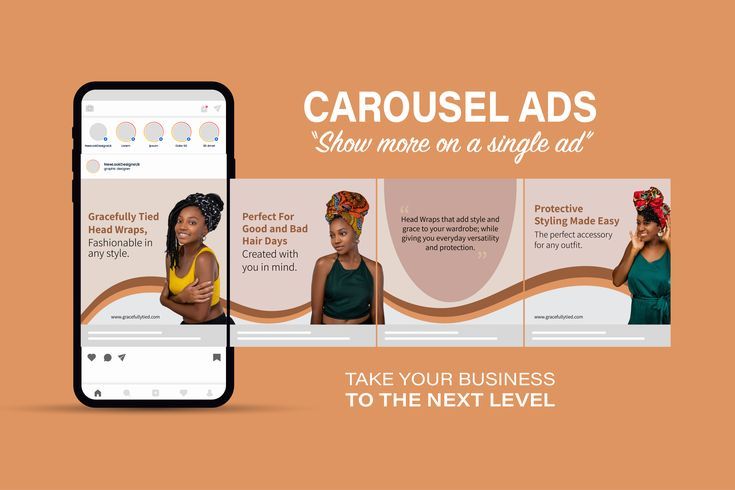
In today’s competitive digital world, paid promotions are no longer optional — they are a strategic investment. But simply spending money on ads doesn’t guarantee results. To truly get value, brands must choose the right platform, optimize campaigns carefully, and focus on measurable outcomes like conversions and qualified leads. If done correctly, paid campaigns can increase brand awareness, generate high-quality traffic, and drive real revenue growth. Let’s break everything down in a simple, practical way so you can make confident decisions. What is a Paid Promotion? A paid promotion is when a business pays a platform, influencer, or media outlet to display its content to a targeted audience. Unlike organic marketing, where reach depends on algorithms, paid distribution guarantees visibility. This can include: The main goal is simple: put your message in front of the right people at the right time. Paid Promotion Meaning (Simple Explanation) The term refers to any marketing effort where money is exchanged for exposure. Instead of waiting for organic traffic, brands use advertising tools to: It’s commonly used in performance marketing strategies where every click, impression, or conversion is tracked. What Are the 4 Types of Promotion? Understanding the four core promotion types helps you build a stronger strategy. This includes digital ads on platforms like: It’s ideal for brand awareness and direct conversions. Sales Promotion Short-term incentives such as: These campaigns boost urgency and increase immediate action. Public Relations (PR) This focuses on brand credibility: For example, being featured in B2B Marketing News builds authority in professional circles. Personal Selling This involves direct engagement: This approach works especially well in B2B industries. Paid Promotions on Instagram Instagram remains one of the strongest platforms for visual advertising. Key Benefits: How Much Do 1000 Impressions Cost on Instagram? The average CPM (cost per 1000 impressions) ranges between: Industries like finance or SaaS often pay more due to competition. However, certain niches may be less expensive to advertise depending on audience demand and targeting precision. Paid Promotion in YouTube YouTube offers multiple advertising formats: Video marketing is powerful because it builds emotional connection and trust faster than text. What Does Paid Promotion Mean on YouTube? When you see a label saying “Includes Paid Promotion,” it means: It ensures transparency with viewers. Is a Paid Promotion Worth It? The short answer: Yes — if done strategically. A campaign is worth it when: ✔ You have clear goals (sales, leads, awareness)✔ You target a defined audience✔ You track performance metrics✔ You optimize continuously Without analytics and testing, advertising becomes expensive guessing. Paid Promotions Examples Let’s explore real-world scenarios: Example 1: Influencer Collaboration A skincare brand pays a beauty creator to demonstrate a product during a live stream. Example 2: Sponsored LinkedIn Post A SaaS company promotes a whitepaper to marketing managers. Example 3: YouTube Review Integration A tech influencer reviews a gadget and adds affiliate links. Example 4: AI Chat Funnel Ad A jewelry brand runs Facebook Messenger ads where users chat with an AI assistant before purchase. Paid Promotion Price: What Affects Cost? Pricing depends on: For example: A campaign targeting enterprise buyers will cost more than one targeting general consumers. Paid Promotions App Options Popular advertising platforms include: If considering emerging platforms, keep market shifts in mind — like the regime change at X and uncertainty around the potential TikTok restrictions in some regions. Staying flexible protects your budget. Paid Promotion Available: How to Start Here’s a beginner roadmap: Marketing experts like Khurram Shahzad often emphasize that performance data is more important than vanity metrics like likes or impressions. Advanced Strategy Tips for Higher ROI To make campaigns profitable: Focus on Conversion Optimization Landing page optimization improves Quality Score and lowers CPC. Use Retargeting Target users who already visited your website. Test Creative Variations Change headlines, visuals, and calls-to-action. Combine Organic and Paid Organic content builds trust; paid traffic scales reach. FAQs: Final Thoughts Digital advertising continues to evolve. Algorithm changes, platform shifts, and audience behavior all influence performance. Whether you’re running Instagram ads, YouTube video promotions, or LinkedIn B2B campaigns, success depends on data-driven decisions. When approached strategically, paid campaigns can deliver strong brand visibility, qualified leads, and measurable growth. The key is testing smartly, tracking closely, and adapting quickly. Invest wisely — and your campaigns won’t just spend money, they’ll make it.
Content Publishing Made Simple: 7 Powerful Steps to Get Results

Content publishing is more than clicking the “publish” button. It is the full process of planning, editing, organizing, scheduling, and promoting your content so it reaches the right audience at the right time. Without a strong content publishing system, even great content can fail. In this guide, you will learn what content publishing really means, the 7 clear steps to follow, key elements you must not ignore, and answers to the most searched questions about publishing. Everything is explained in simple, easy English. What Is Content Publishing? Content publishing is the process of preparing and sharing content online or offline. It includes: It is the system that turns ideas into published material people can see and engage with. What Does It Mean to Publish Content? To publish content means: For example: Publishing means your message goes live and becomes accessible. What Are the 7 Steps of the Publishing Process? Here is a simple and repeatable content publishing framework: 1. Plan Your Content 2. Create the Content 3. Edit and Improve 4. Optimize for SEO 5. Add Visual Elements 6. Schedule and Publish Many teams use tools like Trello or Asana to track tasks and deadlines in the content publishing workflow. 7. Promote and Measure That is the complete cycle. What Is an Example of Publishing? Imagine you are running a digital agency working on an integrated design project. You: That entire journey is content publishing in action. What Are the Key Elements of Publishing? Strong content publishing requires: Without structure, publishing becomes messy and slow. What Are the Three Types of Publishing? There are three main types: 1. Traditional Publishing Books printed by publishing companies. 2. Self-Publishing Authors publish independently. 3. Digital Publishing Blogs, websites, PDFs, online magazines, and social media. Today, most businesses focus on digital content publishing. What Are the 5 Types of Publications (PDF)? Common publication types include: Digital PDF publishing is popular for lead magnets and business reports. Why Do Books Have 10 9 8 7 6 5 4 3 2 1? That number line shows the printing version. If all numbers appear, it is first printing.If number 1 is removed, it is second printing. This helps publishers track production. How Many Books Do You Have to Sell to Make $100K? It depends on royalty. Example: To earn $100,000:You must sell 20,000 copies. Digital publishing reduces printing cost, which increases profit margin. FAQs: Final Verdict Content publishing is the system that turns content into growth. It includes planning, editing, optimizing, scheduling, and promoting. To succeed: Great content alone is not enough. A structured content publishing process brings traffic, leads, and long-term business results.
Content Marketing Audit: Stop AI From Defining Your Brand

In 2026, your website content is not just for readers — it’s also for machines. A proper content marketing audit helps you understand what your brand is teaching search engines, AI systems, and potential customers. Old blogs, outdated landing pages, and forgotten PDFs may still shape how your company is described online. If you don’t review and update them, AI tools might summarize your brand using ideas you no longer support. That’s why a strategic review of your digital assets is no longer optional — it’s essential. Let’s break this down in a clear and practical way. What Is a Content Marketing Audit? A content marketing audit is a structured review of all the content your brand has published across: The goal is to evaluate: It helps you decide what to: In today’s AI-driven world, it also helps you control your brand narrative, strengthen search visibility, and protect your digital reputation. Why AI Has Changed the Game In the past, old content slowly disappeared in search rankings. Now, AI systems: Even if a blog from 2017 gets no traffic, it can still influence how AI tools describe your company. Recent legal judgments have clarified that AI models can learn from publicly available data. That means your content — past and present — may contribute to how your brand is interpreted. You cannot fully control AI systems.But you can control what they learn from you. What Are the 7 Steps of Content Marketing? Before we audit, let’s understand the foundation. The 7 core steps of content marketing are: An audit connects step 7 back to step 1. It ensures your strategy evolves instead of becoming outdated. What Are the 4 Types of Content in Marketing? Understanding content categories helps during evaluation. 1. Educational Content Blogs, guides, tutorials 2. Authority Content Research reports, expert interviews, thought leadership 3. Promotional Content Landing pages, product descriptions, sales pages 4. Engagement Content Social posts, interactive tools, community discussions Each type should align with your current brand positioning and customer journey strategy. What Are the 5 Types of Audit? A strong review process may include: When combined, these protect your brand authority and improve content optimization. Content Marketing Audit Checklist Here is a practical checklist you can use: Inventory Performance Review SEO Review Quality Review Brand Alignment This checklist ensures clarity, consistency, and content relevance. SEO Content Audit: Why It Matters More Now An SEO content audit focuses on: AI tools rely heavily on structured, optimized, and context-rich content. Use: This improves both human readability and machine interpretation. Content Marketing Audit Example (Simple Scenario) Imagine a SaaS company published: After reviewing, they discovered: They: Result: This is how a practical audit strengthens both SEO and brand trust. What Are the 7 Steps in the Audit Process? Here’s a clear process you can follow: Step 1: Define Your Objective Traffic growth? Brand clarity? AI visibility? Step 2: Collect All URLs Use sitemap or crawling tools. Step 3: Analyze Performance Data Traffic, engagement, conversions. Step 4: Evaluate Content Quality Accuracy, readability, tone. Step 5: Check SEO Factors Keywords, metadata, backlinks. Step 6: Decide Action Keep, update, merge, delete. Step 7: Implement and Monitor Track improvements and AI summaries. Consistency is key. How AI Interprets Your Content AI systems don’t just “read.” They: If your messaging has evolved, your old content may create confusion. This is similar to what is explained in The 4 C’s Formula: Your Building Blocks of Growth — gaining new capabilities reshapes both your future and your past. Your improved strategy should also reshape your old content. Reframe Instead of Delete Instead of removing everything: This shows growth and improves content authority signals. Content Audit Presentation Tips If presenting to stakeholders: Make it strategic, not technical. FAQs Final Thoughts Your content is not just archived material. It is active data shaping your brand identity in AI systems. A strategic audit helps you: Whether you are writing for your own blog or contributing to platforms like Write for Us Wedding, maintaining clarity and accuracy is essential. Content evolves. Strategy evolves. Brands evolve. Your archive should evolve too. If you need expert insight into content structure and optimization, professionals like Khurram Shahzad often emphasize that sustainable growth comes from consistent review and refinement — not just constant publishing. Audit with intention.Update with clarity.Own your narrative.
Why the Best API Search Company’s Homepage Matters for Scalable Search Solutions

First Impressions Start on the Homepage Whenever I evaluate an API search solution, I don’t begin with documentation or technical specs. I always start with the homepage. That single page quietly tells me how serious the company is about its product and its users. If the message feels rushed, unclear, or overly promotional, I already start doubting the reliability of the solution itself. When I land on the best api search company’s homepage and I can’t quickly understand what the platform actually does or who it is built for, I usually don’t move forward. Most users behave the same way. If clarity is missing at the start, people assume the experience will only get worse later. Understanding Real User Needs Before Features Most businesses searching for an API are not chasing features. They are chasing solutions to real problems. Data grows, traffic spikes, and search performance becomes harder to maintain. A homepage should reflect that reality. When it focuses only on buzzwords instead of real challenges, users feel disconnected. I personally relate more to homepages that talk about actual issues like slow results, irrelevant searches, or systems failing under pressure. When these problems are clearly acknowledged, trust begins to form. That’s when the best api search company’s homepage starts feeling helpful instead of sales-driven. Explaining Scalability in a Human Way Scalability is one of those words everyone uses, but very few explain properly. I don’t expect deep technical breakdowns on a homepage, but I do expect clarity. What happens when data doubles? What happens during sudden traffic surges? These are the questions users silently ask. A strong homepage explains scalability in simple, real-world terms. It helps users visualize growth instead of just promising it. This practical explanation is what separates a confusing homepage from the best api search company’s homepage. Also read: Data Driven Content Marketing: Simple Guide to Better Results Building Trust Through Transparency Trust doesn’t come from perfect claims. It comes from honest communication. When a homepage openly discusses performance expectations, reliability, and even limitations, it feels real. Overly polished language often creates suspicion instead of confidence. From my experience, users don’t expect perfection. They expect honesty. A homepage that feels transparent reduces hesitation and encourages deeper exploration. That’s a major reason why the best api search company’s homepage carries more weight than people realize. Reducing Confusion and Decision Fatigue API search is a crowded space. Many platforms look similar, sound similar, and promise similar results. This overwhelms users quickly. A well-structured homepage helps by guiding readers logically instead of dumping everything at once. When content flows naturally and explains one idea at a time, users feel more comfortable making decisions. Confusion pushes people away, but clarity keeps them engaged. Differentiation That Actually Helps Users Decide Long feature lists rarely convince anyone today. Most APIs offer overlapping capabilities. What really matters is positioning. When a homepage clearly explains where a solution performs best and who it is ideal for, users can decide faster and with more confidence. Trying to appeal to everyone usually ends up appealing to no one. That’s why honest differentiation plays such an important role in making the best api search company’s homepage effective. Supporting Both Beginners and Experienced Users Not every visitor arrives with the same level of technical knowledge. Some users are exploring APIs for the first time, while others have years of experience. A good homepage respects both audiences. When information is layered naturally, beginners don’t feel lost and experienced users don’t feel bored. This balance makes the product feel mature and well thought out. Also read: Content Marketing Webinar: Why Content Health Wins in 2026 Showing Long-Term Value Without Overpromising Most users don’t choose an API just for today. They think about where their project will be months or years from now. A responsible homepage talks about long-term readiness without making unrealistic promises. Overpromising might attract attention, but it damages trust later. The best api search company’s homepage focuses on adaptability and growth without exaggeration. Why User-First Content Matters More Than Optimization At the end of the day, a homepage works only when it is written for users, not algorithms. Search engines are moving in the same direction, rewarding content that genuinely helps people understand and decide. This is the same approach I follow in my own work at White label guest posts agency, where clarity and usefulness always come before empty optimization tactics. I’m Khurram Shahzad, and based on real experience, I’ve learned that when a homepage educates instead of trying to impress, it becomes a true foundation for scalable and trusted search solutions.
What Is a Content Marketer? Role, Salary & Skills

What is a content marketer? A content marketer is a digital marketing professional who creates and manages strategic content to attract, engage, and convert a target audience. Unlike a simple content writer or content creator, this role focuses on building a complete content marketing strategy, improving search engine optimization (SEO), guiding customers through the marketing funnel, and generating measurable business growth. In today’s competitive online world, businesses rely on blog posts, email campaigns, social media marketing, lead generation assets, and brand storytelling to stand out. A content marketer connects all these pieces. They don’t just publish content — they align it with audience research, keyword strategy, conversion goals, and brand messaging. If you’re exploring this career path or hiring for one, understanding what a content marketer really does can help you avoid confusion and make smarter decisions. What Do Content Marketers Do? A content marketer does more than just create content. They connect business goals with audience needs. Here are the main tasks: 1. Build a Content Strategy They research: Then they create a plan that includes blogs, videos, emails, social posts, and landing pages. 2. Create Valuable Content They may write or manage: 3. Optimize for SEO They use: For example, professionals like Khurram Shahzad often highlight the importance of strategic SEO planning and high-quality authority links like niche edit backlinks to improve search rankings. 4. Promote Content Content marketers distribute content through: 5. Analyze Performance They track: They use tools like Google Analytics and other marketing automation platforms. In short, they create content that drives real business results. What Is a Content Marketer Job Description? A typical what is a content marketer job description includes: Some roles focus more on strategy. Others focus more on production. But most combine both. What Is a Content Marketer Responsibilities? When people search what is a content marketer responsibilities, they want clarity. Core responsibilities include: Unlike a simple content writer, a content marketer thinks about the full marketing funnel. Content Marketer vs Content Writer This is a common confusion. Content Writer Content Marketer A writer creates content.A marketer ensures that content drives growth. Content Creator vs Content Marketer A content creator usually focuses on producing content like videos, reels, or blogs to grow an audience. Many creators work independently in the creator economy. A content marketer, however: Both create content, but their goals are different. How to Become a Content Marketer If you’re asking how to become a content marketer, here is a practical roadmap: Step 1: Learn Marketing Basics Understand: A good starting point is educational resources from platforms like HubSpot Academy, which offer free marketing certifications. Step 2: Improve Writing Skills Practice: Step 3: Learn SEO Understand: Agencies like Lepbound often emphasize combining SEO with strategic content to dominate search rankings. Step 4: Build a Portfolio Create: Step 5: Gain Real Experience Work as: Practical experience matters more than just theory. Content Marketer Education Requirements There is no strict degree requirement. Common backgrounds include: But many successful content marketers are self-taught. More important skills: Certifications in SEO, content strategy, or digital marketing can increase job opportunities. How Much Do Content Marketers Make? The content marketer salary depends on experience, location, and company size. Entry-Level Mid-Level Senior-Level / Strategist Freelancers and consultants can earn even more depending on their client base. In countries with lower living costs, salaries vary but remote work has increased global earning potential. Does Content Marketing Pay Well? Yes, content marketing can pay well, especially when combined with SEO and conversion optimization skills. Reasons why it pays well: Experienced content strategists and heads of content often earn six-figure salaries. What Are the 4 Types of Content in Marketing? Understanding the types of content helps clarify the role. 1. Educational Content 2. Entertaining Content 3. Inspirational Content 4. Promotional Content A content marketer balances all four based on funnel stage. What Are the 4 Stages of Content Marketing? Content marketing follows a structured funnel. 1. Awareness Goal: Attract new visitorsContent: Blogs, social posts, SEO articles 2. Consideration Goal: Build trustContent: Case studies, webinars, email sequences 3. Conversion Goal: Generate leads or salesContent: Landing pages, demos, offers 4. Retention Goal: Keep customers loyalContent: Newsletters, updates, loyalty campaigns A skilled content marketer understands how to guide users through each stage. What Skills Do You Need to Be a Content Marketer? Key skills include: Strategic Thinking Understanding long-term brand growth. SEO Knowledge Keyword research, on-page optimization, link building. Writing & Editing Clear, persuasive communication. Data Analysis Reading traffic and conversion data. Project Management Handling deadlines and teams. Communication Working with designers, developers, and stakeholders. The best content marketers combine creativity with analytics. FAQs Final Thoughts Now you clearly understand what is a content marketer and why the role is important in modern digital marketing. It is not just about writing articles. It is about building strategy, attracting the right audience, improving search rankings, and driving business growth. As digital competition grows in 2026 and beyond, content marketers who combine SEO, analytics, storytelling, and strategic thinking will stay in high demand. If you’re entering this field, focus on learning strategy first.If you’re hiring, define the role clearly. Clarity removes confusion — and confusion is the biggest problem in content marketing today.