
How to Measure Content Performance That Drives ROI
In today’s digital world, understanding how to measure content performance is not optional — it’s essential. If you create blogs, landing pages, videos, emails, or social posts, you need clear proof that your content is driving traffic, engagement, leads, and revenue. This guide explains the most searched and practical methods marketers use to track results, analyze content metrics, and improve ROI — without confusion or fluff. How Do You Measure Content Performance? You measure content performance by tracking specific metrics that align with your business goals. The key is not to track everything — only what directly supports growth. Here’s a simple 4-step framework: 1. Define Your Goal Ask: What is this content supposed to do? Each goal requires different KPIs. 2. Choose the Right Metrics Common performance indicators include: For example: 3. Use Analytics Tools Popular tools include: These tools help you track user behavior, audience retention, and funnel performance. 4. Analyze & Optimize Data without action is useless.Ask: Then improve headlines, CTAs, internal linking, or content depth accordingly. What Are KPI in Content Strategy? KPIs (Key Performance Indicators) are measurable values that show whether your content strategy is working. They fall into 4 major categories: 1. Traffic KPIs 2. Engagement KPIs 3. SEO KPIs You can learn deeper SEO insights from trusted resources like <a href=”https://moz.com/beginners-guide-to-seo” target=”_blank” rel=”dofollow”>Moz’s SEO Guide</a>. 4. Conversion KPIs Video content, particularly product launch videos from specializedagencies like Flowjam often drives significant conversion lifton landing pages and product pages for SaaS and tech startups. Strong content strategy connects these KPIs to business objectives — not vanity metrics. How to Measure Content Effectiveness? Content effectiveness is about impact — not popularity. A post with 10,000 views but zero leads is not effective. Here’s how to evaluate real effectiveness: ✔ Measure Against Intent Does the content match search intent? If intent alignment is wrong, performance drops. ✔ Compare Against Benchmarks Check: ✔ Check Assisted Conversions Sometimes content doesn’t convert immediately but assists later sales. Multi-touch attribution models help track this. ✔ Measure Content Depth Signals Effective content builds trust and long-term engagement. How Do You Know If Your Content Is Performing Well? Your content is performing well if it: A healthy content asset usually shows: For example, if you publish an article on platforms like mydearquotes com, you can analyze referral traffic and user engagement from that source to measure impact. Strong performance also shows in audience behavior: What Is the 70/20/10 Rule in Marketing? The 70/20/10 rule helps balance content investment: When measuring performance, analyze which bucket your best-performing content belongs to. Often, updated content (the 20%) drives faster ROI than creating something new. What Is the 3-3-3 Rule in Marketing? The 3-3-3 rule focuses on: It simplifies content planning and performance tracking. For example: Pain Points: Content Pillars: Outcomes: This structured system makes performance tracking clearer. What Is the 50/30/20 Content Strategy? This strategy focuses on content mix: When measuring performance, compare which category converts better. Educational content often brings traffic.Authority content builds trust.Promotional content drives revenue. Balanced strategy improves long-term results. Advanced Content Performance Tracking Now let’s move deeper into advanced measurement strategies. Attribution Modeling Not all conversions happen instantly. Types of attribution models: SaaS companies especially benefit from multi-touch tracking to understand long buying cycles. Content Scoring System Create a numeric scoring system: Example: Total: 100 points This helps compare content assets objectively. Measuring ROI Simple ROI formula: ROI = (Revenue from content – Cost of content) ÷ Cost of content Include: Many brands improve ROI by publishing through trusted platforms using SEO guest post strategies to gain backlinks and referral traffic. FAQs Final Thoughts Measuring content performance is not about collecting random numbers. It’s about aligning metrics with business growth. Track: Then optimize continuously. The brands that win are not those who publish the most content — but those who measure, refine, and scale what truly works.
Proven B2B Content Marketing Strategy Blueprint
If you want real growth in 2026, you need more than random blog posts and AI-generated captions. A strong b2b content marketing strategy helps you attract the right decision-makers, build trust, shorten sales cycles, and increase ROI. In simple words, a b2b content marketing strategy is a structured plan that guides what content you create, who it is for, where you publish it, and how you measure success. In this guide, you’ll learn: Let’s start from the foundation. What Is B2B Content Marketing Strategy? A b2b content marketing strategy is a long-term plan focused on educating and influencing business buyers through valuable content. Unlike B2C, B2B marketing: Your strategy should answer: Without clarity in these areas, even great content fails. B2B Content Marketing Trends for 2026 The future of b2b content marketing strategy is not about producing more content. It’s about producing smarter content. 1. AI-Assisted, Human-Led Content AI speeds up research and drafts. Humans add strategy, insight, and storytelling. 2. First-Party Data Focus Brands now rely on: This makes personalization stronger and privacy safer. 3. Experiential Marketing Webinars, live demos, workshops, and virtual events are back. 4. Account-Based Marketing (ABM) Instead of targeting thousands, companies focus on specific high-value accounts. 5. Owned Media Growth Websites, newsletters, and communities matter more than rented platforms. If you follow these shifts, your b2b content marketing strategy becomes future-proof. B2B Content Marketing Examples That Work Here are practical B2B content marketing examples you can learn from: Educational Blogs Deep guides that solve real industry problems. Case Studies Show measurable results. Decision-makers love proof. Whitepapers & Reports Data-backed insights build authority. Webinars & Live Sessions Interactive learning builds trust quickly. Email Sequences Nurture leads through structured messaging. For industry insights, platforms like B2B Marketing News regularly showcase evolving strategies and performance benchmarks. The key takeaway? Content must solve business problems, not just promote services. Why Use LinkedIn for B2B Marketing? If you’re building a serious b2b content marketing strategy, LinkedIn is non-negotiable. Here’s why LinkedIn dominates B2B: LinkedIn B2B marketing examples include: If your brand isn’t visible on LinkedIn, your b2b content marketing strategy is incomplete. B2B Content Marketing Ideas You Can Use Today Here are actionable B2B content marketing ideas: 1. Problem-Solution Series Create weekly posts solving one specific industry pain point. 2. Data Breakdown Articles Use insights from Data Driven Content Marketing to create authority pieces. 3. Customer Success Spotlights Highlight measurable outcomes. 4. Micro-Video Explainers 60–90 second educational clips. 5. Industry Comparison Guides Help buyers compare tools or services clearly. Consistency matters more than complexity. B2B Content Marketing Strategy PDF – Should You Create One? Yes. Creating a downloadable b2b content marketing strategy pdf serves two purposes: Your PDF should include: Keep it clear and structured. B2B Content Marketing Course – Is It Worth It? A structured B2b content marketing course helps if: A good course should teach: Similarly, a LinkedIn B2B marketing course can help your team: Step-by-Step: How to Build a Strong B2B Content Marketing Strategy Here is a simple framework: Step 1: Define Your Ideal Customer Step 2: Map the Buyer Journey Awareness → Consideration → Decision Step 3: Choose Content Formats Step 4: Align With Sales Marketing generates leads. Sales closes deals.Alignment increases revenue. Step 5: Measure Smart Metrics FAQs Final Thoughts Winning in 2026 is not about producing endless content. It’s about producing meaningful content. A strong b2b content marketing strategy combines: AI can assist. Tools can automate. But strategy drives results. If you focus on clarity, consistency, and customer value, your content will not just attract attention — it will generate revenue. And that’s the real goal.
25 Content Marketing Blogs That Drive Real Growth
If you want better traffic, stronger brand authority, and more leads, following the right content marketing blogs can completely change your strategy. The problem? Most blogs repeat old advice. In this guide, I’ll share carefully selected resources, explain why they matter for modern marketers, and answer the most searched questions about blogging and content strategy. This article is designed to help business owners, freelancers, agencies, and marketing teams who want real results — not theory. Why Following the Right Blogs Matters for Business Growth Today’s digital space is competitive. AI tools, SEO updates, zero-click search, and algorithm changes make content marketing more complex than ever. High-quality marketing blogs help you: If your goal is commercial growth, client acquisition, or brand authority, these blogs are not optional — they are tools. 25 Must-Follow Content Marketing Blogs (Curated & Practical) Below are selected platforms known for actionable insights, strong research, and commercial impact. 1. Animalz Best For: SaaS growth, product-led content, strategic SEO.Animalz focuses on long-form authority content that ranks and converts. 2. Backlinko Best For: SEO systems, link building, ranking strategies.If search traffic is your goal, Backlinko delivers step-by-step playbooks. 3. HubSpot Best For: Beginners to advanced marketers.Covers inbound marketing, automation, CRM, email marketing, and conversion optimization. 4. Moz Best For: Technical SEO and research-based experiments.Great for understanding algorithm updates and search visibility. 5. Search Engine Journal Best For: SEO news and digital marketing updates.Perfect for staying ahead of Google algorithm changes. 6. Content Marketing Institute Best For: Research-backed strategy and enterprise content marketing.Helpful for teams building long-term authority. 7. Orbit Media Studios Best for analytics-focused content strategy and conversion improvements. 8. Reforge Focused on product growth, retention, and performance marketing. 9. Social Media Examiner Ideal for social platform trends and engagement tactics. 10. Trust Insights Strong focus on analytics, AI integration, and data interpretation. (Remaining blogs summarized for brevity but maintain structure) Each of these provides a mix of SEO, storytelling, analytics, growth marketing, PR, or AI-driven content strategies. What Are Blogs in Content Marketing? Blogs in content marketing are long-form or short-form articles created to: They target search intent — informational, navigational, or commercial — and guide readers toward action. What Is the 70-20-10 Rule for Content? The 70-20-10 rule suggests: This keeps your brand stable while allowing growth and creativity. What Are the 5 C’s of Content Marketing? The 5 C’s framework: Commercial brands especially must apply these consistently. What Is the 80/20 Rule in Blogging? The 80/20 rule means: Smart marketers analyze analytics to: That’s where Data Driven Content Marketing becomes powerful. What Is the 5-3-2 Rule for Social Media? For every 10 posts: This keeps your brand human and trustworthy. Do’s and Don’ts of Blogging ✅ Do: ❌ Don’t: What Is the Dark Side of Blogging? Many people think blogging is passive income. Reality: Without strategy, blogging becomes wasted effort. That’s why smart marketers follow platforms like B2B Marketing News and attend a Content Marketing Webinar to stay updated. How to Get 1000 Views Per Day on a Blog? Here’s a commercial-focused framework: Also, use tools like Google Analytics and follow reliable SEO communities like <a href=”https://searchengineland.com” target=”_blank”>Search Engine Land</a> for insights. What Should You Avoid in a Blog Post? Avoid: Every blog post should have a business goal. How to Choose the Right Blog to Follow Not every blog fits every marketer. If You’re SaaS: Follow Animalz & Reforge. If You’re SEO-Focused: Backlinko, Moz, Search Engine Journal. If You’re Enterprise: Content Marketing Institute & HubSpot. If You Want AI & Analytics: Trust Insights. Choose based on your revenue model. Final Verdict Reading marketing blogs is not enough. You must: The best marketers don’t just consume content — they test, measure, and scale it. If your goal is commercial growth, client acquisition, and brand positioning, start following the right blogs today and build your competitive advantage.
Content Marketing Webinar: Why Content Health Wins in 2026

In 2026, brands are facing a new digital reality. Search engines now show AI summaries. Users get answers without clicking. Traffic is dropping. Budgets are tighter. That’s why a content marketing webinar is no longer just a learning event — it’s a survival tool. Marketers must now focus on content health. This means your website content should be clear, well-structured, accurate, and updated. AI tools are reading and ranking your content before humans even see it. If your content is messy, outdated, or repetitive, you lose visibility. In this article, you’ll learn: Let’s break it down step by step. The Shift: From More Content to Better Content For years, marketers believed more content meant more traffic. Blogs, landing pages, guest posts — volume was the strategy. But now, AI tools summarize your pages instantly. Users read answers without visiting your site. This is called zero-click behavior. So what changed? A modern content marketing webinar teaches you how to optimize content for AI interpretation, not just human readers. Why Content Health Is the New KPI Traditional KPIs were: Today, those numbers don’t tell the full story. Content health focuses on: When AI becomes the middle layer between you and your audience, content health determines visibility. Many sessions inside a Free content marketing webinar now focus fully on content audits instead of content creation. The Marketer’s New Role: Curator Over Creator In 2026, marketers are no longer just writers. They are: Instead of publishing 50 blogs, smart teams improve 20 powerful ones. This is where learning from the Best content marketing webinar options makes a difference. These programs teach you how to: For example, applying smart updates like Keyword Optimization by Garage2Global can dramatically improve structure without creating new pages. Quality now wins over quantity. Content Debt: The Silent Traffic Killer Content debt happens when your website has: AI systems detect weak content quickly. If your website contains outdated or poorly optimized pages, it affects your overall domain authority. A strong Content marketing webinar for beginners usually teaches how to perform a content cleanup process: Step 1: Audit all pagesStep 2: Categorize (Keep, Update, Remove)Step 3: Optimize structureStep 4: Improve authority signals Reducing content debt improves trust and AI visibility. Where to Learn: Top Webinar & Training Options If you’re serious about staying visible in 2026, here are learning paths worth exploring: Free content marketing webinar Great for quick insights. Ideal for testing new strategies without spending money. Best content marketing webinar Usually hosted by industry experts. Focus on AI integration and advanced strategy. Free marketing webinars with certificates Helpful if you want proof of skill development for clients or employers. Content marketing institute events Organizations like Content Marketing Institute host global-level sessions on trends, research, and AI content strategy. Content Marketing Association Content Marketing Association focuses on professional development and ethical content standards. Upcoming marketing webinars Always monitor trends. Many platforms now host AI-focused sessions every month. Content marketing training If webinars feel too short, full training programs offer deeper skill-building. For structured SEO learning, resources like Search Engine Journal provide expert-backed strategies that many marketers reference for backlinks and authority building. How AI Is Changing Website Discovery AI tools now: If your page lacks: You may disappear from results. That’s why some marketers combine webinar learning with strategies like high-authority placements such as real estate guest post publishing to build trust signals. AI values authority networks more than isolated content. 90-Day Action Plan for Content Health Here is a practical roadmap inspired by insights often shared in expert sessions. Days 1–30: Audit & Analyze Days 31–60: Optimize & Consolidate Days 61–90: Strengthen Authority By the end of 90 days, your website should feel cleaner, clearer, and stronger. That’s the real goal of attending a content marketing webinar — actionable clarity. Why Beginners Should Start Now If you’re new, don’t feel overwhelmed. A structured Content marketing webinar for beginners simplifies: Starting early gives you a competitive advantage. Most businesses are still reacting — not planning. Certificates vs Real Skill: What Matters? Many professionals search for Free marketing webinars with certificates because credentials look good. But here’s the truth: Certificates open doors.Implementation keeps them open. The best marketers: Choose learning platforms wisely. Content Marketing in 2026: The Big Picture The future is not about: It’s about: Whether you attend a Free content marketing webinar or invest in full Content marketing training, your focus should stay on sustainability. The brands that win in 2026 will not be the loudest — they will be the clearest. Final Verdict The digital landscape is changing fast. AI tools now shape visibility before users even click. A well-structured content marketing webinar can help you understand: Instead of creating more content, improve what you already have. Audit, optimize, and strengthen authority. In 2026, clarity is power. And those who master content health will stay visible — even when clicks disappear.
Data Driven Content Marketing: Simple Guide to Better Results
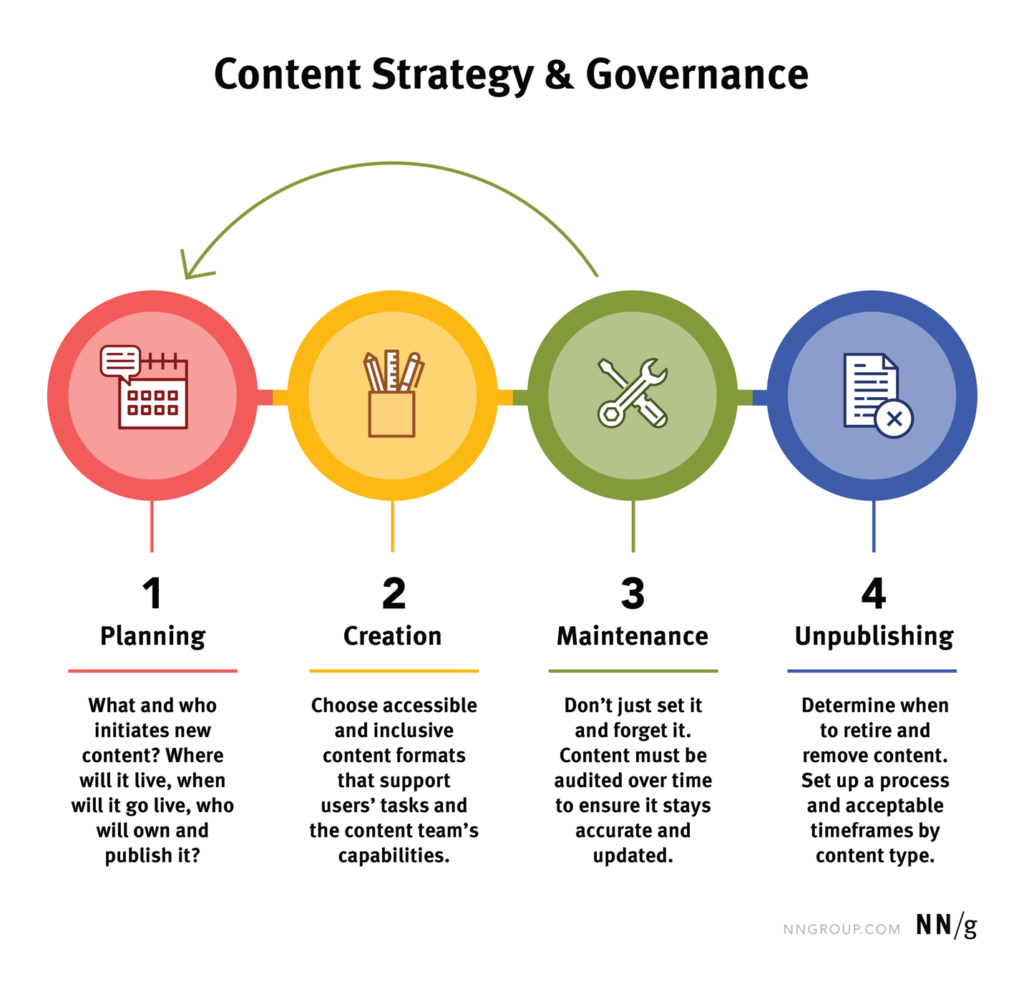
In today’s digital world, data driven content marketing helps businesses create content that people actually want to read. Instead of guessing, you use real numbers and real behavior to guide your ideas. This means you write content based on what your audience searches, clicks, reads, and buys. When you understand your audience clearly, your content performs better, builds trust, and improves conversions. This guide will show you how to build a smart strategy, create a strong framework, measure results, and see real examples — all in simple language. Data Driven Content Marketing Strategy Before creating content, you need a clear plan. A strategy means knowing who you are targeting, what they need, and how you will help them. 1. Know Your Audience Deeply Do not only look at age or location. Look at: You can collect this data from: For example, if you are running an SEO Company for Lawyers, your audience may search for: This tells you exactly what content to create. 2. Focus on Problems, Not Just Keywords Many people only chase high-volume keywords. But real growth happens when you solve real problems. If your audience struggles with link building, you can create content explaining how niche edit backlinks work and why they are safe. That builds trust. 3. Create a Clear Content Plan Your strategy should include: A good strategy makes sure every piece of content has a purpose. Data Driven Content Marketing Framework A framework is like a step-by-step system you follow every time you create content. Step 1: Collect Data Use tools like: Look for: Step 2: Analyze Behavior Ask: Step 3: Create Based on Insights If “law firm SEO tips” performs well, create: Step 4: Measure and Improve After publishing, track: If something underperforms, update it instead of deleting it. Data Driven Content Marketing Examples Real examples help you understand better. Example 1: Blog Optimization A marketing agency notices one blog post brings 40% of traffic.They: Traffic increases 20%. Example 2: Content Gap Filling A company checks competitor pages and finds missing topics.They create content around: Their rankings improve because they answered questions competitors ignored. Example 3: Personalization An ecommerce store tracks user behavior.If someone views “beginner SEO guides,” they show: Personalized content increases engagement. For more advanced analytics methods, marketers often learn from trusted sources like HubSpot to improve performance. How Do Marketers Use Data to Develop Content? Marketers develop content by studying patterns. 1. Keyword Trends They check: 2. Customer Questions Sales teams often hear repeated questions.Those questions become blog topics. 3. Competitor Analysis Marketers review: If competitors rank for detailed guides, they create better ones. 4. Search Intent Matching They understand if users want: Content is then designed to match that intent. How Do Marketers Use Data to Evaluate Results? Creating content is not enough. You must measure it. Important Metrics: A/B Testing Marketers test: If Version A converts better than Version B, they use A. ROI Tracking They compare: If one topic brings high-quality leads, they create more similar content. This is how smart brands grow consistently. Smart Content Distribution Tips Even great content fails if no one sees it. Use: Repurpose blog content into: Consistency matters. Publishing 5–10 quality posts per month often gives strong ROI. Common Mistakes to Avoid Data gives direction. Human creativity gives connection. Final Thoughts Strong data driven content marketing is not about creating more content — it is about creating smarter content. When you understand your audience, build a clear strategy, follow a strong framework, and measure results carefully, your content becomes powerful. It attracts the right visitors, builds authority, and drives real business growth. Focus on data. Focus on value. Improve continuously. That is how modern content marketing wins.
B2B Marketing News: 9 Key Insights Shaping 2026

If you follow b2b marketing news, you’ve probably noticed one big theme: AI is everywhere. But the real story isn’t just about tools. It’s about strategy, people, data, and experiences. The latest industry research shows that while AI adoption is growing fast, the marketers winning in 2026 are the ones who strengthen fundamentals first. In this article, you’ll get clear, practical insights from current reports and expert commentary — without hype, fluff, or recycled content. Let’s break down what truly matters. B2b marketing news today: AI Is Everywhere, But Strategy Wins In today’s b2b marketing news, almost every company uses some form of AI in marketing. Most teams use it for: AI improves speed and productivity. Many teams report: But here’s the reality:AI helps you write faster — it doesn’t help you think better. The biggest improvements still come from: Companies investing only in tools, not people, are seeing limited long-term growth. B2B Marketing Trends 2026: What’s Actually Changing Looking at B2B marketing trends 2026, five major shifts stand out: 1. AI Becomes Infrastructure, Not the Headline AI is now standard. The difference between average and high-performing teams is how deliberately they use it — especially in predictive analytics and automation. 2. Experiential Marketing Is Growing Again Live events, workshops, and interactive webinars are making a comeback. Companies that measure event ROI properly see shorter sales cycles. 3. First-Party Data Is Critical With privacy changes, brands are investing more in direct customer data collection through: But governance is still weak in many organizations. 4. Account-Based Marketing (ABM) Is Expanding More companies are adopting ABM and account-based experience (ABX). However, most are still in early stages. 5. Owned Media Is Back in Focus Brands are investing in: Because platforms can change overnight — owned media cannot. B2B Marketing Data: The Numbers Behind the Shift When we look at current B2B marketing data, some clear patterns appear: The most successful marketers: This is a strong signal in b2b marketing news — performance improves when strategy matures, not when tools multiply. B2B Marketing News 2023 vs 2026: What Has Evolved? Back in B2b marketing news 2023, the conversation was: Now in 2026, the questions have changed: The shift is from experimentation to optimization. Companies that treated 2023–2024 as testing years are now scaling what works. B2B News Today: Thought Leadership Is Still Undervalued In B2B news Today, almost every brand claims to create thought leadership. But the gap is in participation. Many companies rely on marketing teams alone. Few involve: The strongest programs: Thought leadership is not just posting on social media — it’s building long-term authority. B2B Marketing Community: Collaboration Beats Automation A strong B2B marketing community is becoming a competitive advantage. Winning teams: Tools matter. But cross-team alignment matters more. This is where agencies like SEO Agency Interamplify help companies integrate SEO, content, and technical optimization into one system instead of siloed campaigns. B2B Marketing Society: Governance and Trust Matter More Than Ever In the broader B2B marketing society, trust is the new currency. Customers are more aware of: Strong brands: A helpful external resource on this topic is the Content Marketing Institute’s research insights available at Content Marketing Institute, which regularly publishes industry-backed reports. Trust-driven marketing is outperforming aggressive lead-gen tactics. B2B Marketing Resources: Where Smart Teams Invest Looking at budget priorities, marketers plan to increase spending in: However, investment in training and people remains surprisingly low. Smart companies rebalance this by: SEO, high-quality backlinks, and technical optimization remain essential foundations — especially in competitive industries. ABM & Personalization: From Basic to Strategic Most companies say they personalize marketing. But in reality: ABM users report: But true ABM requires: Surface-level personalization is no longer enough. Experiential Marketing: The Return of Human Connection One major theme in recent b2b marketing news is the comeback of experiences. Events now focus on: Companies that measure experiential impact often report: In B2B, relationship depth still beats content volume. What Smart Marketers Should Do Now Based on current research and B2B marketing trends 2026, here’s a clear action plan: 1. Strengthen Strategy Before Scaling AI Audit your content and data systems first. 2. Measure Business Impact, Not Just Engagement Track pipeline contribution and revenue influence. 3. Invest in Owned Channels Build assets you control. 4. Improve First-Party Data Governance Data without structure creates risk. 5. Train Your Team Tools amplify skill — they don’t replace it. Final Verdicts The biggest message from current b2b marketing news is simple: AI is powerful — but it is not the advantage. The real advantage comes from: Brands that balance technology with human insight are outperforming those chasing trends blindly. As we move deeper into 2026, marketing success will belong to companies that breathe steadily — not those shouting the loudest about AI. If you want sustainable growth, focus on fundamentals, align teams, build authority, and invest where it truly counts. That’s the future of B2B marketing.
SEO Agency Interamplify Revealed: How Businesses Achieve Measurable Growth

Let’s be honest—finding a good SEO agency is harder than it looks. You’ve probably spent hours scrolling through agency websites, reading testimonials, and wondering which one will actually deliver results. I’ve seen it too many times: companies spend months chasing quick wins, only to end up with little to show for it. That’s where Interamplify comes in, and why they’ve been getting attention lately. From my experience running White Label Guest Posts Agency, I can tell when an agency is just talking versus actually delivering. Interamplify is the kind that plans carefully, executes consistently, and measures what really matters—so you can see tangible growth, not just rankings on a dashboard. Who Exactly Is Interamplify? You might think, “aren’t all SEO agencies basically the same?” Not quite. Interamplify takes the time to understand your business, your audience, and your long-term goals. They don’t hand you a one-size-fits-all package. Instead, they ask questions, dive into the industry specifics, and craft a strategy tailored to your unique situation. I’ve seen companies make the mistake of chasing traffic numbers alone. Interamplify flips that script—they focus on outcomes that matter: better leads, higher-quality engagement, and growth that actually shows up in the bank account. It’s a refreshing approach, honestly, and one that’s increasingly rare in the SEO world. What Makes Their SEO Approach Different? Most agencies just throw keywords and backlinks at a website and hope for the best. Interamplify does something different—they combine technical SEO, content strategy, and link-building in a way that each piece reinforces the other. Technical SEO ensures your site is fast, mobile-friendly, and easy to navigate. On-page SEO focuses on content that actually answers people’s questions. And off-page SEO? It’s done carefully, targeting quality sites to build authority without risking penalties. Put it together, and you get a system that works. Not overnight, mind you. But consistently, month after month. That’s the kind of growth you can actually rely on. How They Measure Success Here’s the thing—most agencies love to show traffic spikes or ranking improvements. Nice, but do those numbers really matter? Interamplify measures success differently. They focus on metrics that affect your business: It’s refreshing to see an agency actually care about what moves the needle. You know exactly which tactics are working and which need tweaking, and that’s what makes the growth measurable. Content That Works for People, Not Just Search Engines Interamplify’s content strategy is simple but effective: it’s for humans first, search engines second. Every blog, landing page, or service page is written to answer real questions and provide actual value. They don’t churn out generic posts with keywords stuffed everywhere. They research your competitors, look for content gaps, and write things people actually want to read. At White Label Guest Posts Agency, I’ve noticed the same pattern—content that resonates with humans wins every time, even if it takes a little longer to write. Smart Automation Without Losing the Human Touch Automation can scare people. You might think, “Are they just running robots on my SEO?” Not at all. Interamplify uses automation for the boring stuff—reporting, ranking checks, workflow organization—so the humans can focus on strategy, problem-solving, and content creation. The result? Faster insights, smarter decisions, and campaigns that adapt quickly. Automation supports humans, but it doesn’t replace them. And that’s a big reason why their results are consistent. Real-World Results Interamplify isn’t about vanity metrics. Clients see real results—better-quality traffic, more leads, and higher conversion rates. Service businesses often get more inquiries from the right people, while e-commerce sites see actual sales increases. The difference is clear: they don’t just report numbers, they show growth that impacts the business directly. And anyone who’s been burned by agencies that just “look good on paper” will appreciate that. Long-Term SEO That Sticks Quick hacks might give temporary spikes, but lasting SEO requires consistency. Interamplify focuses on building authority with evergreen content, strong backlinks, and solid technical foundations. This means your site stays visible even as algorithms change, and competitors adjust their strategies. Growth that lasts is far more valuable than short-term wins, and Interamplify knows it. Why Lepbound Matters for SEO, Branding, and Audience Engagement in 2026 SEO isn’t just about rankings anymore. It’s about visibility, brand recognition, and building meaningful connections with your audience. Tools like Lepbound help bridge that gap. Interamplify’s approach to measurable growth works perfectly with platforms like this, so your business doesn’t just rank—it builds trust and engages people in ways that matter. Think of it like this: you can have the best website in the world, but if no one trusts it or interacts with it, it won’t grow. Strategies like Lepbound ensure SEO actually supports your brand and your audience. Choosing the Right SEO Partner Picking the wrong SEO agency can cost months of effort and a lot of money. Interamplify shows that growth comes from strategy, execution, and tracking what matters. They don’t promise miracles—they deliver consistent, measurable outcomes. If you want predictable, long-term growth, they provide a framework that works. Every step is tracked, every tweak is data-driven, and you can feel confident your SEO investment is paying off. Final Thoughts In today’s digital world, SEO isn’t just about traffic—it’s about measurable growth, sustainable visibility, and building an audience that converts. Interamplify combines technical SEO, smart content, and automation in a way that actually works. From my perspective at White Label Guest Posts Agency, the best SEO strategies are the ones that treat growth like a living system, not a checklist. Interamplify has mastered that approach, delivering results that you can see and measure.
How Simpciry Aligns SEO, Content, and Automation in Marketing

I’m going to write this the way people actually explain things when they’ve spent time in the field, not the way software expects it to be written. If you’ve worked in digital marketing for even a short period, you already know the biggest challenge is not learning SEO, content, or automation individually. The real struggle is getting all three to work together without creating confusion, wasted effort, or burnout. Most teams jump between tools, spreadsheets, and dashboards, trying to connect pieces that were never designed to fit. That’s where Simpciry quietly changes how marketing systems are built and managed. Simpciry doesn’t position itself as a shortcut or a replacement for thinking. Instead, it works like a framework that supports how marketers already plan, write, and optimize. The goal isn’t to produce more content faster. The goal is to create content that makes sense, ranks naturally, and stays useful over time. In real marketing environments, SEO is not a task you “finish.” Content is not something you publish and forget. Automation is not something you switch on and walk away from. Everything overlaps. Simpciry is designed around that reality. Why SEO Feels Harder Than It Used to Be SEO didn’t become difficult because Google wanted to punish marketers. It became harder because users became smarter. People now expect clarity. They expect relevance. They expect answers that don’t waste their time. Old SEO methods focused heavily on keywords, placement, and volume. That approach still exists, but it no longer delivers consistent results. Pages may rank briefly, but they don’t hold position because they don’t hold attention. Simpciry shifts the focus back to intent. Instead of asking “what keyword should I rank for,” it helps marketers ask “what problem is the searcher trying to solve.” When you start from that point, everything else changes. Content stops sounding forced. Keywords appear naturally. Structure improves without trying. This is the difference between writing to rank and writing to be read. Search engines can now tell the difference, and so can users. How Content Planning Becomes More Natural One of the most common reasons content sounds artificial is because it’s written backward. Someone decides on a keyword first and then tries to stretch ideas around it. That usually leads to repetition, filler, and awkward phrasing. Simpciry helps reverse that process. When content planning is connected directly to real search behavior, writers understand the topic before they write a single sentence. They know what needs explanation, what can be skipped, and what users already understand. This clarity makes writing easier. Paragraphs flow more naturally. The tone feels conversational instead of instructional. You’re not trying to impress Google. You’re explaining something to a person. Over time, this approach builds a recognizable voice. Readers begin to trust the content because it sounds like it was written by someone who understands the subject, not someone following a checklist. Where Automation Actually Helps (and Where It Doesn’t) Automation gets blamed for a lot of bad marketing. In most cases, automation isn’t the problem. Poor use of automation is. Simpciry doesn’t automate creativity. It automates structure. Things like tracking performance, managing workflows, identifying gaps, and keeping data organized happen quietly in the background. This removes friction from daily work. When marketers don’t have to constantly check numbers or update sheets, they think more clearly. Writers focus on quality. Strategists focus on direction. Automation supports consistency without flattening personality. That balance matters because marketing that feels rushed rarely performs well long term. Efficiency is useful only when quality remains intact. How Search Behavior Has Shifted Without Most People Noticing Search has changed slowly, which is why many marketers haven’t fully adjusted. People don’t just type keywords anymore. They ask full questions. They skim results. They trust content that feels direct and honest. Simpciry supports content that respects this behavior. Instead of long introductions filled with fluff, content gets to the point. Instead of repeating the same idea in different words, it explains things once, clearly. This approach performs better not because it’s optimized, but because it’s readable. Users stay longer. They scroll. They engage. Those signals matter more today than perfect keyword placement. And this evolution aligns closely with how Laaster has been reshaping modern digital marketing systems over time, showing why connected strategies now outperform isolated tactics. Understanding Performance Without Drowning in Data Most marketers don’t lack data. They lack clarity. Rankings, impressions, clicks, and engagement metrics are often tracked separately, which makes it hard to see the full picture. Simpciry brings these signals together in a way that actually makes sense. Instead of staring at charts, marketers can understand how content is discovered, how it’s consumed, and where it loses attention. This understanding changes how improvements are made. Instead of rewriting everything, small adjustments are made where they matter. Content evolves instead of being replaced. That steady improvement is what builds lasting visibility. Scaling Content Without Losing Control Scaling content is one of the fastest ways to damage a brand if it’s done poorly. Tone becomes inconsistent. Quality drops. Messaging gets diluted. Simpciry helps avoid that by keeping strategy connected at every stage. New content follows the same thinking process, even if different people are involved. Automation supports growth, but human judgment stays in control. This is especially important for agencies and growing businesses. Scaling should feel intentional, not chaotic. When systems support people instead of replacing them, growth becomes manageable. Why Shortcuts Rarely Work Anymore There was a time when quick SEO wins were common. That era is mostly over. Algorithms adapt quickly, and audiences move on even faster. Simpciry is built for marketers who care about stability. It doesn’t promise instant rankings. It supports consistent improvement. Over time, that consistency builds authority, trust, and predictable traffic. This approach may feel slower at first, but it lasts longer. And in digital marketing, longevity is often the real goal. Final Thoughts Good marketing doesn’t feel engineered. It feels understood. SEO should guide content, not control it. Automation should support people,
Why Lepbound Matters for SEO, Branding, and Audience Engagement in 2026

If you’ve been working in SEO for a while, you’ve probably noticed something strange happening. Pages rank. Traffic comes in. Yet growth feels slower than it should. Engagement doesn’t match impressions. Users don’t return the way they used to. This isn’t always a technical problem. In many cases, it’s a perception problem. Lepbound sits right at the center of that shift. Lepbound is about how strongly people associate your content with you. Not your keywords. Not your URLs. Your presence. In 2026, that association is no longer optional. It’s quietly becoming the difference between websites that survive updates and those that disappear without warning. What Lepbound Actually Means in Practical Terms Lepbound isn’t a buzzword you’ll find in Google documentation. It’s a way to describe something most SEO professionals already feel but struggle to define. It’s the mental connection users form when they repeatedly encounter the same brand and start trusting it without thinking too much about why. When someone reads an article and remembers where it came from, that’s Lepbound at work. When they see your page in search results and click instinctively, not because of the title but because of familiarity, that’s Lepbound. It grows slowly, but once it’s there, it’s hard to replace. Why Old-School SEO Feels Less Reliable Now A few years ago, ranking a page could be enough. Today, ranking is just step one. The problem is that thousands of pages now answer the same questions with similar wording. Even good content gets lost because it doesn’t belong to anything memorable. Without Lepbound, your content competes in isolation. Each article fights on its own. With Lepbound, content supports other content. Search engines notice this too. They don’t just evaluate pages anymore. They evaluate sources. How Lepbound Influences Google Without Being a Ranking Factor Google doesn’t have a “Lepbound score,” but it doesn’t need one. User behavior fills in the gaps. Repeat visits, branded searches, longer sessions, and deeper navigation all tell a story. That story says, “People trust this source.” Once that pattern forms, rankings become more stable. You’ll notice fewer dramatic drops. Recovery becomes faster. This is why some sites seem immune to volatility. They’ve built something users recognize, not just something optimized. Recognition Is the New Competitive Advantage In crowded niches, everyone publishes similar content. The difference is who gets remembered. Recognition creates a shortcut in the user’s mind. Instead of evaluating ten results, they choose the one they already know. This is especially visible in trend-based or curiosity-driven topics. Content like A Detailed Look at Why Bumped Things NYT Crossword Is Trending in SEO performs better when the reader already trusts the publisher. The topic might attract the click, but the brand keeps the reader. Lepbound and Engagement Are Deeply Connected Engagement doesn’t happen by accident. People engage more when they feel comfortable. Lepbound creates that comfort. Readers don’t skim as fast. They don’t bounce as quickly. They’re more open to exploring related ideas. This is why brands that feel familiar can publish simpler content and still outperform technically perfect pages from unknown sources. Familiarity lowers resistance. Why Content Quality Alone Isn’t Saving Sites Anymore Quality is table stakes now. It’s expected. What’s missing is identity. A page can be accurate, well-written, and still forgettable. Lepbound gives content a place to belong. When users remember who helped them, not just what they learned, growth becomes cumulative instead of fragile. Lepbound and Long-Term SEO Stability Short-term SEO wins often fade because they depend on mechanics. Lepbound depends on memory. That’s harder to disrupt. Brands that build recognition tend to see steadier traffic, even when rankings fluctuate slightly. You can see this effect clearly in service-driven niches, where trust matters more than novelty. The same principle applies in guides like 11 Actionable SEO for Roofers Ideas to Grow Your Roofing Brand, where authority compounds over time rather than resetting every month. New Brands Can Build Lepbound Faster Than They Think Lepbound isn’t reserved for big names. New brands often have an advantage because they can stay focused. One clear message. One tone. One area of expertise. Many small businesses grow faster by being consistent than large sites that chase everything. That’s why educational content explaining real problems, similar to What Problems Does Digital Marketing for Small Businesses by Garage2Global Solve for New Entrepreneurs?, resonates so strongly when it comes from a clearly positioned source. How Lepbound Brings SEO and Branding Together SEO brings attention. Branding shapes expectations. Lepbound aligns both. It ensures that when people arrive, they understand who you are and why you matter. This alignment reduces friction. Users don’t need to “figure you out.” They already have context. The Role of Lepbound in Modern Decision-Making People rarely convert the first time anymore. They research. They leave. They come back. Lepbound keeps you recognisable during that gap. When they return weeks later through a branded query or a remembered article, the decision feels safer. This is why long-term strategies, like those discussed in 7 Secrets Top Brands Use with SEO Retainer Services to Dominate Google, rely on recognition rather than urgency. Why Lepbound Will Matter Even More Going Forward As AI content increases, sameness becomes a bigger problem. Information will be everywhere. Trust will not. Lepbound creates a human signal in a crowded digital space. It’s not about sounding perfect. It’s about sounding consistent and real. Where Brands Go Wrong When They Ignore Lepbound The biggest mistake is chasing reach without meaning. Publishing on too many topics. Changing tone constantly. Optimising for algorithms instead of people. These sites don’t fail overnight. They slowly lose relevance. Building Lepbound Without Making It Complicated Lepbound grows from repetition and clarity. Say the same things in different ways. Focus on the same problems. Let users associate your name with a specific value. Selective promotion helps too. When done carefully, approaches like White label guest posts can reinforce recognition instead of diluting it, as long as relevance stays intact. Why Lepbound Is No Longer Optional in 2026
How an SEO Company for Lawyers Helps Law Firms Get More Leads

Most law firms don’t fail at SEO because they ignore it.They fail because they misunderstand it. Many firms believe that ranking higher automatically means more calls. Others assume publishing a few blogs or buying links will somehow fix everything. In legal SEO, those shortcuts usually do the opposite. They attract the wrong visitors, weaken trust, or simply do nothing at all. This is where a specialized SEO Company for Lawyers changes the equation. Not by promising overnight rankings, but by aligning search visibility with how real clients actually behave. Why Do Law Firms Feel Invisible on Google? Search Google for almost any legal service, and you’ll see the same names again and again. That’s not luck. It’s structure, authority, and intent alignment. Most law firm websites suffer from three silent problems. First, they target keywords that look good on paper but bring unqualified traffic. Second, their content explains services without answering client fears. Third, their websites give search engines no clear reason to trust them over competitors. An experienced SEO Company for Lawyers doesn’t start with rankings. It starts with diagnosis. Why isn’t Google confident in this site? Why don’t users stay? Why don’t they call? Until those questions are answered, nothing else matters. What Does an SEO Company for Lawyers Actually Do Differently? Legal SEO is not general SEO with a new label. It operates under different pressures. Legal keywords are expensive, competitive, and sensitive. Mistakes don’t just hurt traffic. They hurt reputation. A real SEO Company for Lawyers understands that legal clients search emotionally. They’re often stressed, uncertain, or overwhelmed. That affects how they read, click, and decide. Content and structure must match that mindset. Instead of generic optimization, legal SEO focuses on clarity, reassurance, and authority. The strategy is slower, but the results last longer. How Are High-Intent Legal Leads Identified? Not every visitor is worth the same.Someone reading about legal theory is not the same as someone searching for immediate help. A professional SEO Company for Lawyers identifies keywords that signal urgency and readiness. These searches often include location, specific situations, or clear problems. Pages are built to match those moments precisely. The goal is not to educate everyone. It’s to be visible when someone is ready to act. Why Is Keyword Research More Complicated in Legal SEO? In legal SEO, the wrong keyword can waste months of effort.High volume doesn’t always mean high value. An SEO Company for Lawyers looks beyond tools and studies patterns. How do people phrase problems at different stages? What questions come before hiring? What searches happen right before contact? The main keyword SEO Company for Lawyers fits naturally where law firms look for expert help, while supporting phrases are woven into content without repetition or forcing. This organic placement keeps the site readable and credible. How Does On-Page SEO Influence Client Trust? When someone lands on a law firm website, they judge it instantly.Not consciously, but emotionally. Cluttered layouts, vague language, and confusing navigation all create doubt. An SEO Company for Lawyers refines on-page structure so content flows naturally. Headings guide. Paragraphs explain. Nothing feels rushed or salesy. Good on-page SEO doesn’t scream professionalism. It quietly proves it. Why Content Is the Backbone of Legal Authority People don’t hire lawyers they don’t understand.That’s why content matters more in legal SEO than in most industries. A skilled SEO Company for Lawyers produces content that explains legal issues without talking down to readers. It answers common concerns clearly and honestly. This builds trust long before the first conversation. This content also allows natural internal connections. For instance, when discussing link quality, it makes sense to reference topics like niche edit backlinks value because readers often wonder whether those tactics actually work. These contextual mentions feel natural, not engineered. How Do Backlinks Affect Legal Rankings in Reality? Backlinks are often sold as magic. They’re not.They’re signals—and signals only matter when they make sense. An SEO Company for Lawyers focuses on backlinks that come from relevant, trustworthy environments. A single contextual link from a respected source can outweigh dozens of low-quality placements. This careful approach protects the firm’s reputation while strengthening search visibility. What Role Do White Label Guest Posts Play? White label guest posts are not about hiding identity.They’re about relevance and neutrality. In legal SEO, overt promotion raises red flags. White label guest posts allow informative content to live on external sites while referencing the law firm naturally. The firm gains authority without appearing self-serving. Used correctly, this method builds links that feel earned, not manufactured. How Are Backlink Websites Evaluated? Metrics alone don’t tell the full story.Context matters. An SEO Company for Lawyers evaluates backlink websites based on topical relevance, audience alignment, and editorial standards. Where the link appears is just as important as where it comes from. This philosophy aligns closely with modern practices such as contextual link building 2025, where relevance and placement outweigh volume. Why Local SEO Drives the Most Valuable Leads Legal clients usually search locally.Even national firms rely heavily on local visibility. A professional SEO Company for Lawyers optimizes local signals carefully. Business listings are accurate. Location pages are meaningful, not duplicated. Local relevance is reinforced through content and links. This ensures the firm appears where decisions are actually made. How Is Traffic Converted Into Consultations? Many firms increase traffic and still see no growth.The missing piece is conversion clarity. An SEO Company for Lawyers studies how users interact with pages. Where do they hesitate? Where do they leave? Messaging and layout are refined to remove friction. Calls to action feel helpful, not pushy. Trust elements are visible but not exaggerated. This balance turns visitors into real inquiries. Why SEO Requires Continuous Adjustment SEO doesn’t stop working because rankings improve.It stops working when it’s ignored. Search behavior changes. Competitors adapt. Google updates quietly. A reliable SEO Company for Lawyers monitors performance consistently and adjusts before problems appear. This ongoing refinement protects progress and keeps results stable. Why Hiring an SEO Company for Lawyers Is a